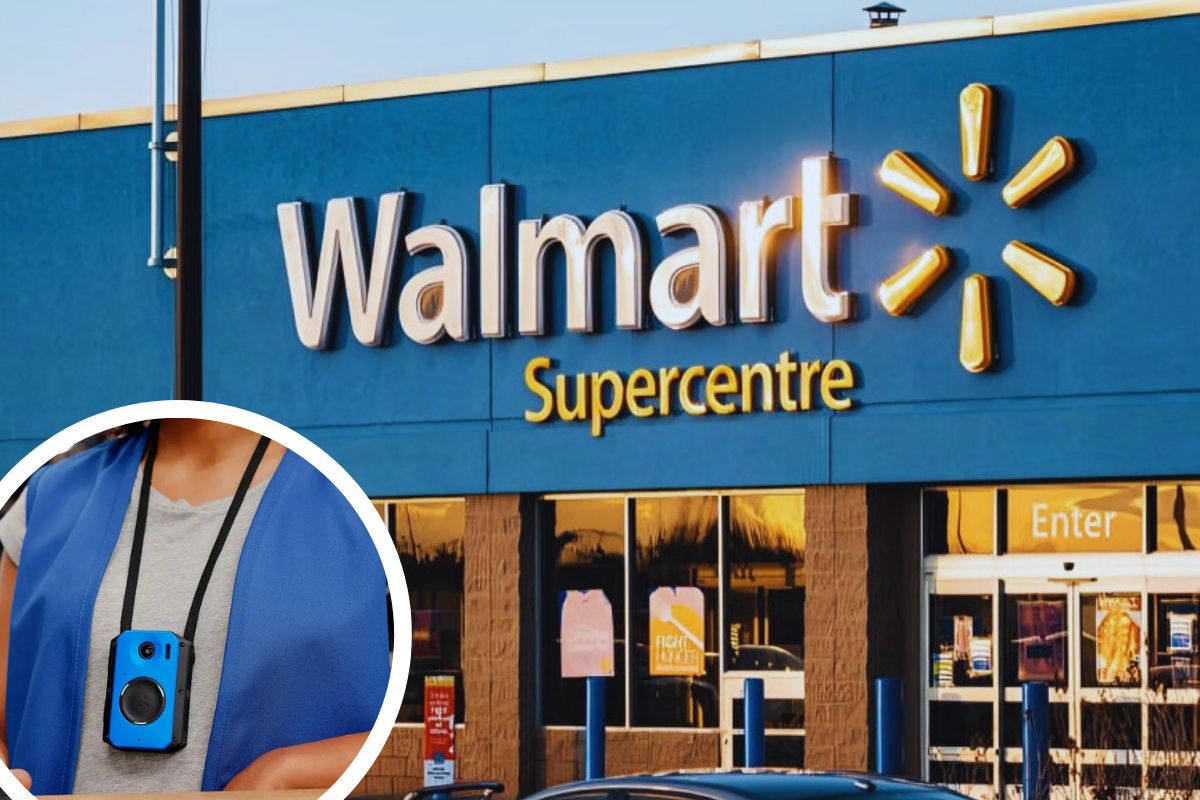
Walmart has begun testing body-worn cameras on its store associates. The retailer launched a pilot program in late 2024 at select Supercenters in the Denton, Texas area (north of Dallas). Signs at those locations now warn customers that “body-worn cameras” are in use during shopping interactions.
Pilot Program Focuses on Employee Safety
Walmart describes the initiative as a limited trial in one market. A company spokesperson told CBS News that “this is a pilot we are testing in one market, and we will evaluate the results before making any longer-term decisions”. Industry sources say the cameras are aimed at improving associate safety and “not related to loss prevention or theft”.
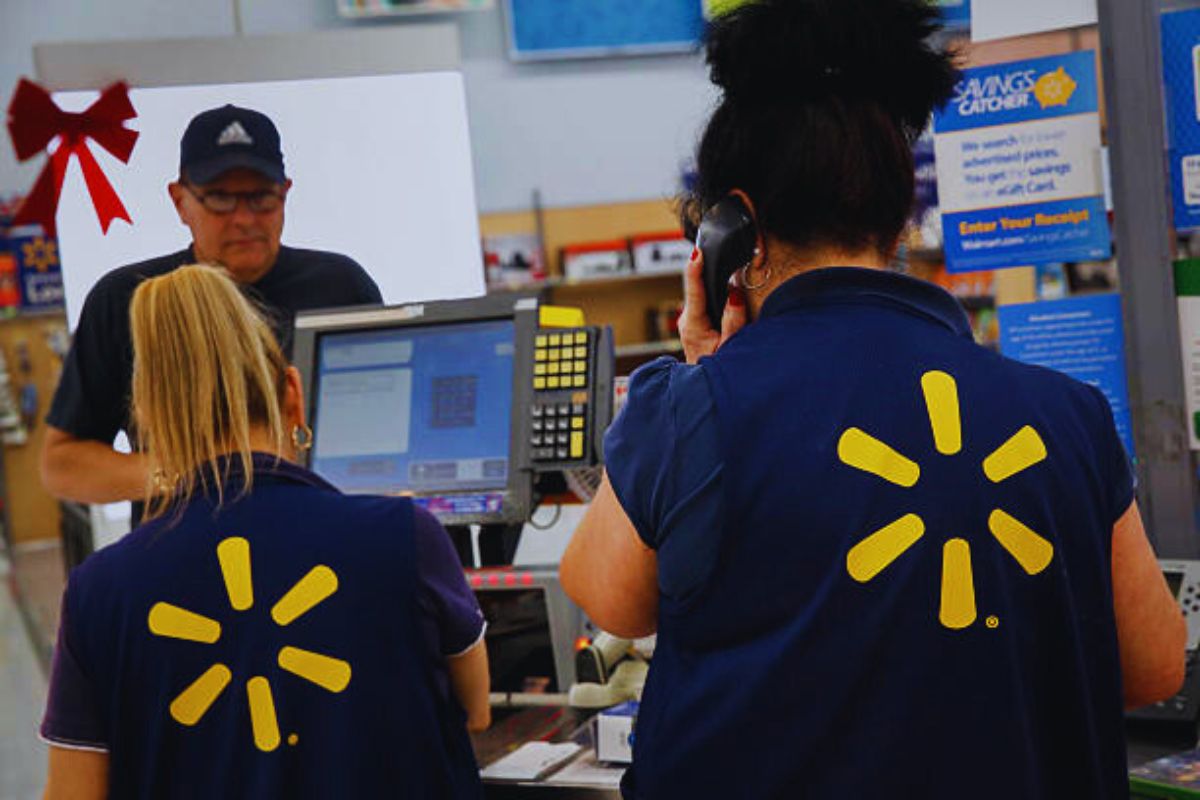
According to reports, the devices are being issued to certain front-line store staff in the Texas test stores – for example, cashiers or receipt-checkers have been seen wearing the cameras while working shifts.
Read Also: Morrisons to Close Century-old Bakery, 115 Jobs at Risk
Walmart emphasizes that the pilot is focused on people, not products. In media interviews the company reiterated that the body cams are about de-escalating conflicts and protecting employees. A retail-industry lawyer points out that store associates are not police officers, and so the goal is to help them handle tense situations more safely, not to turn them into armed enforcers. For now Walmart says it will study how the cameras affect safety and customer interactions before deciding whether to expand the program further.
Rising Retail Crime and Safety Context
The body-cam pilot comes amid a surge in retail theft and violence nationwide. The National Retail Federation (NRF) reports that about 91% of retailers now say shoplifters are more aggressive than before the pandemic. In fact, an NRF security survey found a roughly 93% jump in average shoplifting incidents at stores between 2019 and 2023.
High-profile incidents underscore the stakes: worker-rights advocates note Walmart saw more than 200 violent incidents in its stores during 2023, and the 2019 mass shooting in El Paso (which killed 23 people in a Walmart) remains a vivid reminder. In response to rising crime, many retailers have boosted security in other ways – hiring more guards, locking up expensive items, or requiring ID checks – to protect both customers and staff.
Other Retailers Adopt Camera Programs
Walmart is far from alone in experimenting with body cams. Earlier in 2024, TJX Companies (parent of T.J. Maxx, Marshalls and HomeGoods) began equipping loss-prevention associates with police-style body cameras. TJX executives have reported that the cameras have helped “de-escalate incidents” and deter theft by reminding shoppers they are being recorded.
Read Also: Rivian Shares Hit Multi-Year High on EV Tech Push and Analyst Upgrades
Industry publications also note that chains like Dollar General and 7-Eleven franchisees have tested similar cameras in high-crime locations, and others such as Target and Kroger are evaluating use of bodycams for front-line staff and security personnel. In general, surveys find many retailers are at least researching the idea: one NRF report noted roughly one-third of retailers are exploring body-worn cameras for employees.
Workers and Advocates Voice Concerns
Not everyone sees body cameras as a panacea. Retail employee advocates say cameras alone won’t resolve deeper safety issues. Terrysa Guerra, co-executive director of worker group United for Respect, praised any effort to protect associates but warned that cameras “are not an adequate solution” by themselves. Guerra noted that many Walmart associates “do not feel safe” on the job and that what workers really need is better staffing, training and equipment, not just new gadgets.
Likewise, Bianca Agustin of United for Respect said cameras could help in theory but are “no substitute” for robust safety protocols and might even provoke agitated customers. Some frontline workers have been skeptical: for example, a TJ Maxx associate in Florida told a local TV station that the body cams felt “just for show” and did not make employees feel safer. Walmart has not commented publicly on these critiques, but maintains that it will judge the pilot on its real-world results.
Despite the debate, Walmart’s pilot is a signal of how seriously the industry is taking retail crime. The company has said it will monitor the Texas test closely – seeking feedback from associates and customers – before deciding on any wider rollout. For now, the program remains limited to that single market, with the stated goal of protecting workers and deterring conflicts on the sales floor.
Sources: Recent news and industry reports. Key references include CBS News, Retail Dive, Fox Business, CNN Newsource, and trade journals, which detail Walmart’s pilot program, corporate statements, and analyses of retail crime trends.