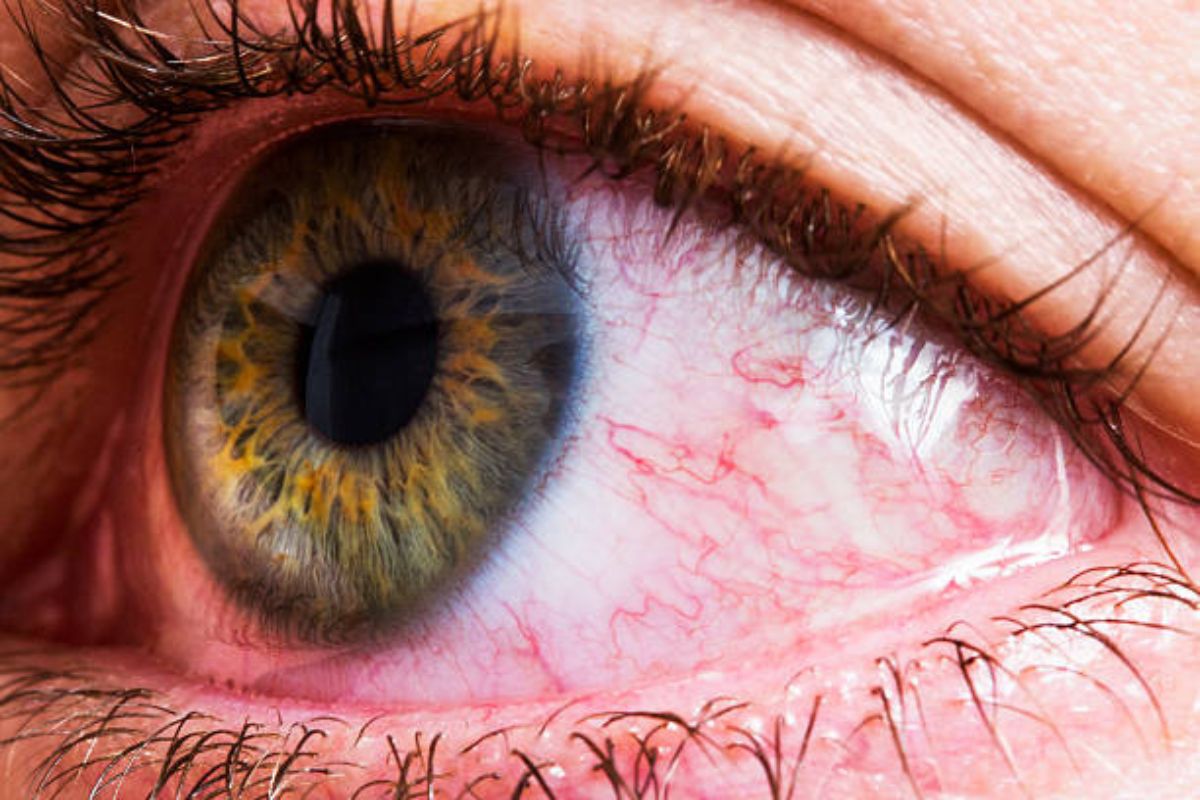
Waking up to red or bloodshot eyes is common and usually harmless. Often the blood vessels in the clear part of the eye (sclera) become more visible overnight due to simple causes like dryness or allergies. For example, if tear production slows during sleep, the eyes can dry out and turn red by morning.
However, sometimes morning eye redness can hint at a more serious issue (infection, injury, or inflammation). Below we explore the main medical, environmental, and lifestyle causes, plus tips for relief and when to seek medical attention.
Medical Causes
Dry Eye Syndrome
Dry eye occurs when tears are insufficient or of poor quality, failing to keep the eye surface well-lubricated. Its symptoms include stinging or burning, a gritty sensation, stringy mucus, sensitivity to light, and eye redness.
Dry eyes often feel worse after sleep, since tear glands slow production overnight. Risk factors include aging, hormonal changes, certain medications (antihistamines, blood pressure pills, etc.), and medical conditions like rheumatoid arthritis.
Environmental factors (air conditioning, heating, smoke) can also evaporate tears and worsen morning redness. In short, if your eyes dry out while you sleep, the lack of lubrication can make them appear red and irritated when you wake.
Blepharitis (Eyelid Inflammation)
Blepharitis is inflammation of the eyelid margins that can cause chronic redness and crusting. It often results from excess bacteria or clogged meibomian (oil) glands on the eyelids. Blepharitis symptoms include red, swollen, burning or itchy eyelids, with flakes or crusts on the lashes.
A classic sign is crusty eyelashes or eyelid debris in the morning. Because the lid edges stick together overnight, blepharitis frequently causes eyes to look red upon waking. It is very common (especially in people with dandruff/rosacea) but not contagious. Good eyelid hygiene (warm compresses, gentle lid scrubs) usually brings relief.
If blepharitis is severe or unresponsive to home care, it may require medical treatment (antibiotic or steroid eye drops).
Allergies (Allergic Conjunctivitis)
Allergies are a frequent cause of morning redness. Allergic conjunctivitis occurs when environmental allergens (like pollen, dust mites, pet dander or mold) trigger eye inflammation. The eyes often feel very itchy, watery and red during an allergy attack.
Many people wake up with allergy symptoms because common triggers are present overnight. For example, pollen counts peak in the early morning and dust mites live in bedding. Johns Hopkins notes that allergic conjunctivitis produces intense itching and red eyes.
Allergy medications or eye drops can help, but also simple steps (using dust-mite-proof covers, washing bedding weekly, keeping pets out of the bedroom) can reduce nighttime exposure.
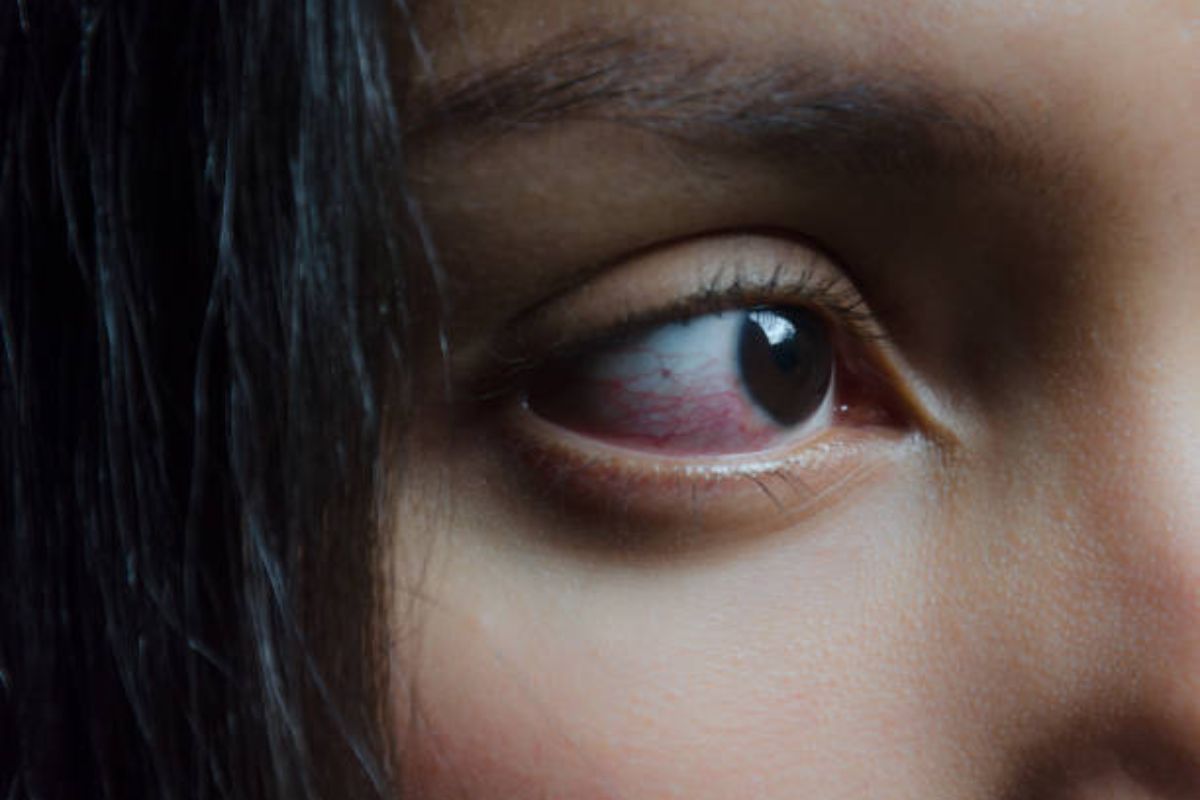
Other Eye Conditions
- Infections (Conjunctivitis “Pink Eye”): Bacterial or viral conjunctivitis causes redness, irritation and often a sticky discharge that crusts eyelashes overnight.
In morning, eyes may be glued shut. Unlike simple allergy or dryness, pink eye usually requires medical treatment (antibiotics for bacterial types) and should prompt a doctor’s visit.
- Subconjunctival Hemorrhage: A tiny blood vessel under the eye’s surface can break (often from sneezing, coughing or minor injury), causing a bright red patch on the sclera.
This is pain-free and harmless – just looks dramatic. People often first notice it in the morning. The image below shows such a hemorrhage. It usually resolves on its own in days.
A subconjunctival hemorrhage appears as a bright red patch on the white of the eye. - Uveitis or Glaucoma: Rarely, more serious conditions like uveitis (inflammation inside the eye) or angle-closure glaucoma can cause morning redness, but these typically include pain, blurry vision, light sensitivity or headache. These require urgent medical care.
- Nocturnal Lagophthalmos (Sleeping with Eyes Partially Open): If eyelids do not fully close during sleep, the exposed eye surface dries out. This can happen with facial nerve issues (e.g. Bell’s palsy). It causes red, irritated eyes in the morning and needs evaluation.
Environmental Factors
- Dry Air (Fans, Heaters, AC): Dry bedroom air can evaporate tears all night. Sleeping under or in front of a fan, vent or heater blows air across the eyes and can greatly increase morning redness. Using heating or AC also lowers humidity, which irritates the eyes.
- Allergens and Irritants in the Room: Even if allergies aren’t a formal diagnosis, dust, mold or pet dander in the bedroom can irritate eyes overnight. Cigarette smoke or indoor smoke (from fireplaces or stoves) also aggravates the eyes. Keeping the bedroom well-ventilated (when pollen counts allow), using HEPA filters, and avoiding smoking indoors can help.
- Contact Lens or Eye Makeup: Sleeping in contact lenses or with old eye makeup can irritate the eyes and lead to morning redness. Always remove lenses and thoroughly clean off cosmetics before bed.
Lifestyle Factors
- Poor Sleep/Overtiredness: Lack of adequate sleep itself can make eyes red. Insufficient sleep reduces eyelid lubrication and oxygenation overnight, so the eyes can appear bloodshot by morning. Aim for 7–9 hours of quality sleep per night to give eyes time to rest and recover.
- Late-Night Screen Time and Eyestrain: Using phones, tablets or computers late at night can strain eyes. Screen use makes you blink less, drying the eyes. If done right before bed, this can carry over into the morning. Try to limit screens 1–2 hours before sleep and take regular breaks to blink and moisturize.
- Alcohol and Smoking: Drinking alcohol dehydrates the whole body, including the eyes. Waking up after heavy drinking often comes with red, puffy eyes as the eyes dry out. Similarly, smoking (even secondhand) can irritate eyes and reduce tear quality, worsening redness. Reducing alcohol intake and avoiding smoking can improve morning eye appearance.
When to See a Doctor
Most of the above causes are benign and improve with home care. However, seek medical advice if you experience:
- Persistent or Very Intense Redness: If redness lasts more than a couple of days or looks very severe (deep red or pink).
- Eye Pain or Vision Changes: Any pain, blurred vision, double vision, sensitivity to light or seeing halos are warning signs. For example, acute glaucoma may present with sudden eye pressure and pain upon waking.
- Discharge or Pus: Thick yellow or green discharge (beyond normal tears or mild crusting) can indicate infection.
- Recurrent Subconjunctival Hemorrhages: A single painless red patch (hemorrhage) often needs no treatment, but frequent bleeds could signal a clotting issue – worth checking.
- Associated Symptoms: If eye redness comes with headache, nausea, or systemic symptoms, or if you have an underlying condition like rheumatoid arthritis, consult a doctor promptly.
- Dry Eye Symptoms that Persist: If using over-the-counter drops for dry eyes night after night without improvement, see an eye specialist. Mayo Clinic advises that prolonged dry, irritated, or painful eyes warrant evaluation. An eye doctor can check for conditions like severe dry eye or blepharitis and prescribe effective treatments.
Prevention and Relief Tips
- Lubricating Drops: Artificial tears or lubricating eye drops (used daily or before bed) can keep eyes moist overnight. Use a preservative-free formula if using drops frequently.
- Warm Compresses and Lid Hygiene: For blepharitis or oily tear glands, apply a warm (not hot) damp washcloth on closed eyelids for 5–10 minutes each night. This softens crusts and helps oil glands flow. Gently wash lids with a baby shampoo or a commercial lid-scrub to remove debris.
- Humidify the Air: Adding moisture to bedroom air can prevent tear evaporation. Use a humidifier especially in winter or dry climates.
- Adjust Bedding: If sleeping with a fan or AC, direct airflow away from your face, or try repositioning your bed. Block light and irritants: consider using an eye mask or shields and allergy-proof pillow/mattress covers (removing dust mites).
- Allergy Management: If allergies are a trigger, take antihistamines at night (non-drowsy formula) or use medicated eye drops as recommended. Shower and change clothes before bed to remove pollen or pet dander. Wash bedding weekly in hot water to kill dust mites.
- Healthy Sleep Habits: Aim for consistent, adequate sleep. Practice good sleep hygiene: avoid caffeine and screens late at night.
- Reduce Alcohol/Smoking: Limiting alcohol, quitting smoking, and avoiding smoke exposure help preserve tear quality.
- Clean Lenses and Makeup: Never sleep in contact lenses. Remove makeup thoroughly before bed and replace cosmetics regularly to avoid contamination.
By combining these preventive steps and treatments, most causes of morning eye redness can be alleviated. Persistent or severe symptoms, however, should prompt a professional eye exam to rule out any serious conditions.