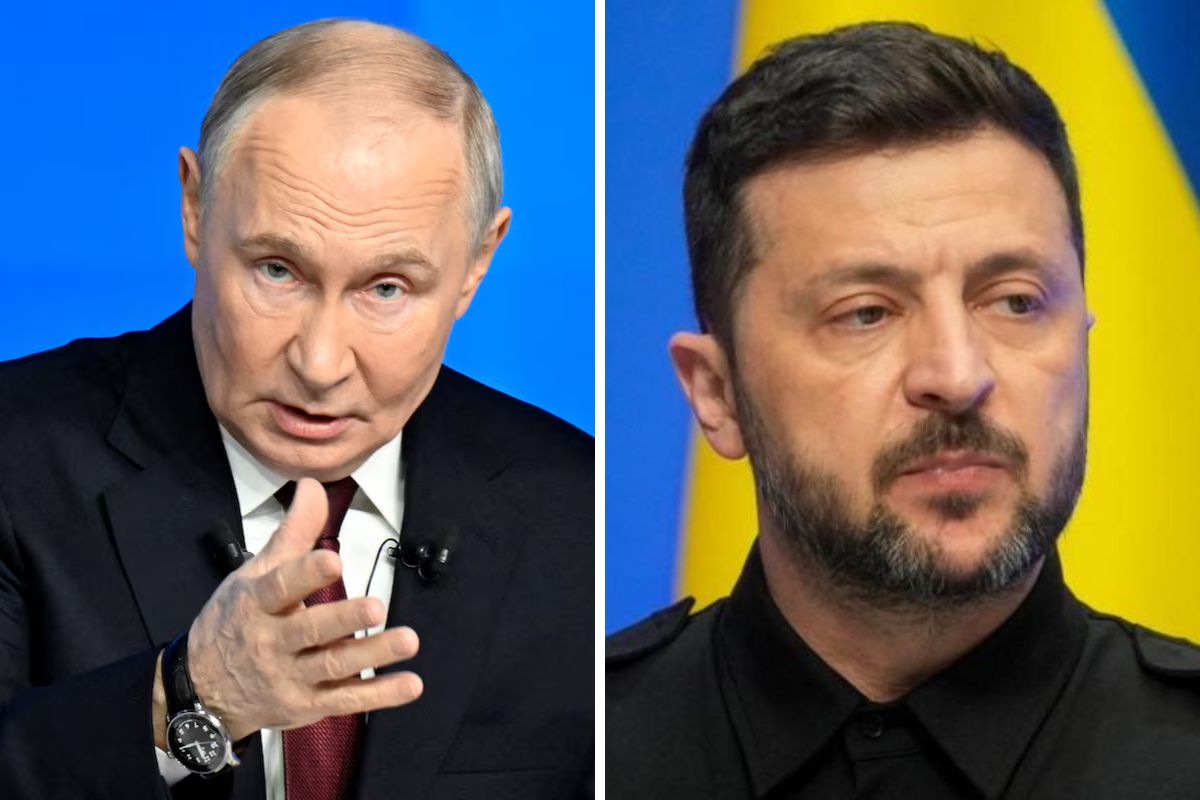
December 20, 2025 – As the conflict in Ukraine grinds into its fourth winter, neither Kyiv nor Moscow can claim a decisive victory. Russian forces still occupy roughly 19–20% of Ukrainian territory including Crimea and large parts of the Donbas, and have made incremental gains in 2025. Ukraine’s army, however, remains in control of most major cities and has launched counterattacks around frontline towns. In mid-December Ukraine’s military chief said Russia’s spring–summer offensives had been “neutralised” by Ukrainian defenses. President Volodymyr Zelenskiy has underscored that holding the line is vital for Ukraine’s bargaining position. Both sides have inflicted heavy casualties on the other, analysts say, turning the conflict into a war of attrition.
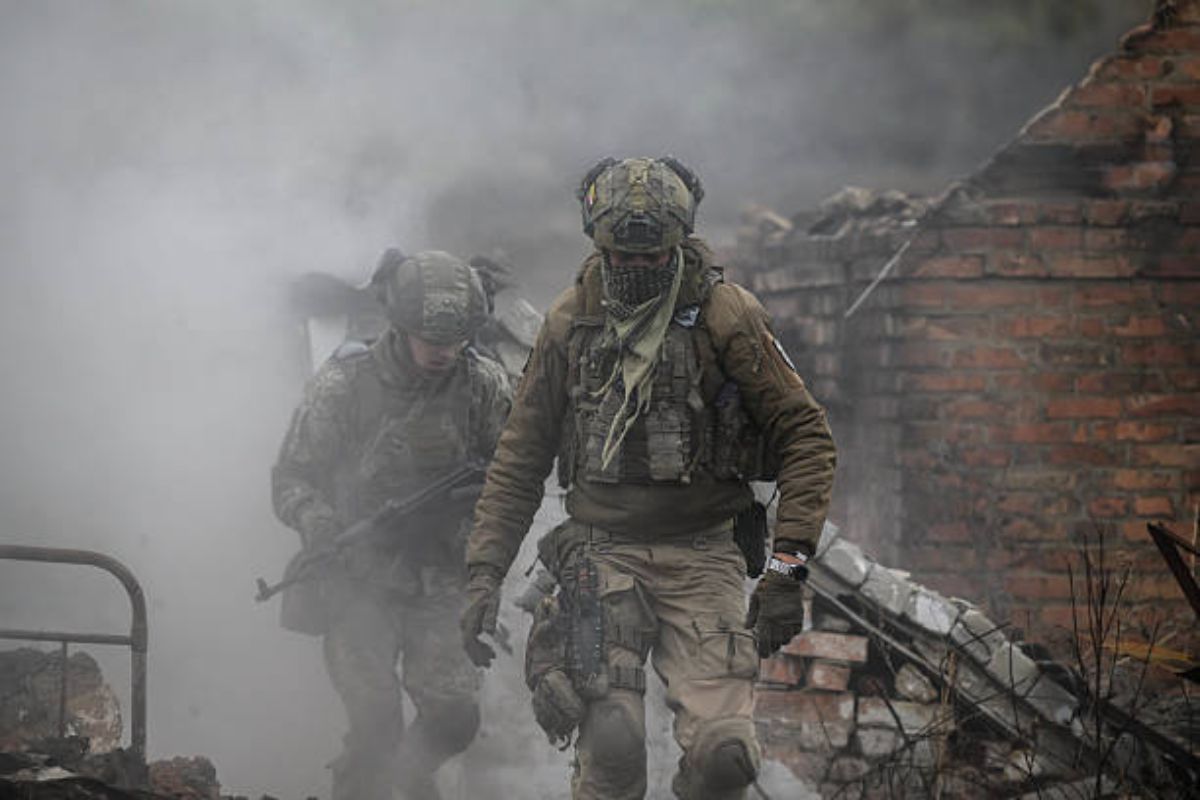
Russia has also intensified attacks on southern Ukraine’s Black Sea assets. In recent days Moscow unleashed a near-continuous missile-and-drone campaign on the Odesa region, striking the strategic port of Pivdennyi and nearby infrastructure. A late-December raid on Pivdennyi killed at least eight civilians and knocked out port fuel reservoirs. In response, Kyiv’s forces have struck Russian military and energy targets wherever possible: Ukrainian drones hit a Russian Lukoil oil rig and patrol vessel in the Caspian Sea, and U.K. intelligence reported Kyiv attacked a Russian Kilo-class submarine in the Black Sea. Both armies are also fighting intense ground battles. Ukraine says it has driven Russian troops out of most of Kupiansk (Kharkiv region) – a counteroffensive that reclaimed some 90% of the town – even as Russian commanders boast of full control of other localities like Pokrovsk (Donetsk), a claim Kyiv rejects. Experts caution that any territorial shifts have come at great cost on both sides, and observers see little chance of a sudden collapse of either side’s defenses in the near term.
Territorial Control
- Russia’s holdings: Moscow still claims control of about one-fifth of Ukraine. This includes Crimea plus most of Luhansk and Donetsk provinces and parts of Zaporizhzhia and Kherson. Despite media footage of Russian flags in the city of Pokrovsk, Ukraine maintains its forces hold northern Pokrovsk and are contesting any advance.
- Ukraine’s counteroffensive: Kyiv has limited successes. In December, commanders said Ukrainian units have largely driven Russian troops out of Kupiansk and repelled assaults elsewhere. Ukraine also claims it has inflicted heavy losses in battles around Dobropillia and Lyman, halting Russian buffer-zone plans in the northeast.
- Current front lines: Heavy fighting continues along a 1,250 km frontline from Kharkiv oblast in the northeast to Zaporizhzhia in the south. The town of Pokrovsk (Donetsk) remains under intense battle and could be the first significant Russian gain since Avdiivka in 2024. Ukrainian defenses around cities like Kramatorsk and Sloviansk (Donetsk) are being strengthened to prevent further Russian advances.
International Support and Alliances
- Western backing: Despite political changes, NATO and EU support for Ukraine remains strong. In mid-December the U.S. Congress overwhelmingly passed a $901 billion defense authorization bill that includes $800 million over the next two years for Ukraine aid. European leaders are also preparing to use frozen Russian central-bank assets to fund a €105 billion aid package for Ukraine.
- Security guarantees: The U.S. has proposed NATO-style guarantees for Ukraine’s security as part of a peace plan. President Trump’s negotiators say 90% of their agreement is settled, with Ukraine’s allies asking only what Washington will provide. Zelenskiy has publicly offered to drop Kyiv’s NATO membership bid in exchange for firm security guarantees, a concession that many analysts see as political, since polls show most Ukrainians still demand strong support from the West.
- Global alignment: Aside from the West, Ukraine has few international supporters. Russia’s foreign ties have weakened: India and China buy less Russian oil under Western pressure, and even Syria and Venezuela are distant. The Kremlin’s closest partners (North Korea, Iran) supply limited military aid. Meanwhile, sanctions on Russia remain largely in place, and European Union nations are increasingly wary of Moscow’s motives.
Economic and Political Stability
President Putin has tried to project strength at home – for example, by hosting an exhibition of destroyed Ukrainian military equipment in Moscow’s Victory Museum (pictured). Behind the scenes, however, Russia’s economy is under strain. High military spending (roughly 6.3% of GDP this year) and sanctions mean that 2025 GDP growth is forecast below 1.5%,and inflation has reached double digits. Putin acknowledged “problems” in the economy even as officials insist Russia can “incrementally” meet all war and social needs. In contrast, Ukraine’s economy is mostly held afloat by foreign aid. The IMF says Ukraine will need about €135 billion for 2026–27, and next year’s budget plans for a massive 18.5%‐of‐GDP deficit. About 27% of GDP is earmarked for defense, and Ukraine estimates it needs $45 billion in external financing to fill next year’s gap. So far Ukraine has received over $160 billion in international aid since 2022, and it recently won preliminary IMF approval for an $8.2 billion stabilization program, pending final EU loan guarantees.
- Ukraine: The war has exacted a heavy economic toll. Critical infrastructure has been destroyed and the budget shortfall is unprecedented. Zelenskiy’s government has cut non-war spending where possible, and inflation is running high, but Western funding has so far prevented economic collapse. Public support for the government remains strong: a Kyiv poll in mid-December found about 61% of Ukrainians approved of Zelenskiy, despite a recent corruption scandal. Only 9% of Ukrainians want elections before the war ends, reflecting wartime unity under martial law. Most Ukrainians reject any peace deal that would require giving up territory without clear security guarantees.
- Russia: The Russian public generally backs the war effort, but underlying strains show. Growth has slowed and household prices are rising, and half of Russia’s $179 billion sovereign wealth fund has been spent on wartime needs since 2022. Top business leaders have warned of mounting “economic distortions” from export and labor shortages. Despite these pressures, domestic protests over the war are still rare. (One rare example: in mid-December residents of Krasnodar region protested a plan to build a church for “war heroes” in a city park.) The Kremlin maintains tight control; critics of the war are largely silenced.
Diplomatic Efforts and Peace Talks
- Negotiations: Both sides say they are open to talks, but serious talks have yielded no deal. In early December a U.S. delegation (led by presidential envoys Steve Witkoff and Jared Kushner) flew to Moscow for a high-level meeting with Putin. Western sources say Russia’s 20-point peace plan would involve Ukraine ceding land in Donbas in exchange for Western security guarantees. Ukraine and its allies have drafted a counter-proposal, and discussions are planned in Miami this weekend. However, reports indicate that major hurdles remain: the U.S. State Department says it will not force any deal on Ukraine, and both sides still far apart on terms.
- Sticking points: The main obstacle is territory. Russian negotiators insist on Ukrainian withdrawal from most of eastern Ukraine, while Zelenskiy and 75% of Ukrainians flatly reject giving up additional land without ironclad guarantees. Ukraine has signaled it would forgo NATO membership in a deal, but Kyiv still demands restoration of its 1991 borders. President Putin, for his part, has taken a maximalist line: at a Dec. 19 news conference he pledged to press on with the war and take “new successes” without compromise.
- Outlook: With both armies dug in for winter and no ceasefire agreed, analysts say the war is likely to continue into 2026. U.S. intelligence assessments warn Putin’s ultimate aim remains control of all of Ukraine, whereas Kyiv refuses to accept defeat. In practical terms, observers describe the situation as a stalemate: Russia achieves small gains at high cost, while Ukraine holds most of its territory but cannot quickly expel the invaders. As one Ukrainian analyst put it, “this is an attritional struggle” in which neither side is currently prevailing decisively.
In summary: Russia’s military has captured and held about one-fifth of Ukraine (the most territory since 2022), but at heavy loss. Ukraine’s armed forces, meanwhile, have slowed Russia’s advances and regained limited areas (like around Kupiansk). Both sides trade blows but gain ground only slowly. International support for Ukraine remains high, and Ukraine’s morale is bolstered by popular refusal to make major concessions. Until a political settlement is reached – for now highly uncertain – analysts agree the war has no clear winner, only persistent fighting through the winter.