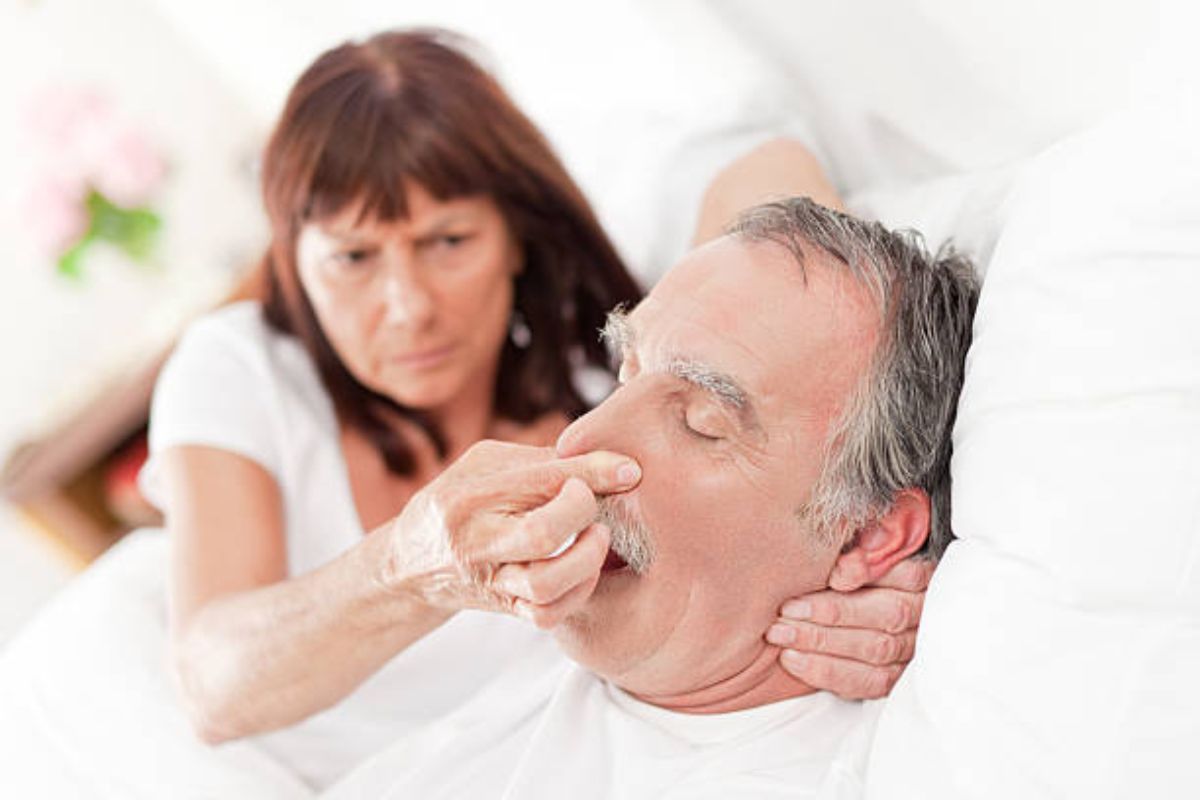
Sleep apnea is a common sleep disorder in which the upper airway collapses during sleep, causing repeated pauses in breathing. These interruptions fragment sleep and lower blood oxygen. In obstructive sleep apnea (OSA), relaxed throat muscles pinch off airflow, often with loud snoring or gasping. Untreated sleep apnea leads to daytime fatigue and serious health risks. Studies link OSA to high blood pressure, diabetes, heart attacks, strokes and even shortened lifespan.
It also raises risks of car accidents and workplace injuries due to drowsiness. In short, sleep apnea is a serious condition – even mild cases can worsen cardiovascular and metabolic health if ignored.
Lifestyle Changes
Many patients improve mild to moderate sleep apnea by addressing lifestyle. Key changes include:
-
Weight management: Excess weight (especially around the neck and belly) narrows the airway. Losing weight can dramatically improve OSA. In a large review, each 10% of body weight lost was associated with about a 26% drop in apnea events (AHI), whereas 10% weight gain increased events by 32%. For example, moderate obesity accounts for most moderate-to-severe OSA. Thus, even modest diet and exercise leading to weight loss often cures or greatly reduces sleep apnea severity. In contrast, gaining weight will almost certainly worsen apnea.
-
Sleep position: Gravity makes sleep apnea worse when lying on the back. Side-sleeping is widely recommended. Research shows that sleeping on your side significantly reduces breathing disruptions compared to sleeping on the back. One analysis found that in many patients, apnea was much milder in lateral positions.
Simple measures – like propping a body pillow to stay on your side, or sewing a tennis ball into the back of your shirt – can prevent back-sleeping. (Positional devices and special pillows are discussed below.) Elevating the head of the bed 4–6 inches with wedges or an incline pillow may also help breathing, as it prevents the tongue and throat tissues from blocking the airway.
-
Alcohol and sedatives: Drinking alcohol or taking tranquilizers before bed relaxes throat muscles, making apnea events more likely and more severe. A large meta-analysis found that higher alcohol consumption was associated with a 25% higher risk of developing OSA. Even small amounts of alcohol at night can worsen snoring and apnea. Experts advise people with sleep apnea to avoid alcohol and sedating medications for several hours before bedtime. Caffeine too should be stopped by late afternoon to improve sleep quality.
-
Smoking: Tobacco smoke irritates airway tissues and disrupts sleep. Current smokers have significantly higher odds of sleep apnea than non-smokers. In one study, current male smokers had about a 1.8-fold greater OSA risk than non-smokers. Secondhand smoke also harms sleep quality. Quitting smoking (and avoiding inhaled pollutants) can reduce throat inflammation and is strongly recommended as part of a sleep-apnea healthy lifestyle.
-
Regular sleep habits and exercise: Maintaining a consistent sleep schedule, treating nasal congestion or allergies, and getting daily aerobic exercise (like walking, swimming, or cycling) can improve overall sleep quality. While exercise and good sleep hygiene won’t cure apnea, they complement other measures (for instance, exercise aids weight loss).
In summary, a heart-healthy diet, regular exercise, side-sleeping, and avoiding alcohol/smoking are first-line steps. These changes often reduce symptoms and apnea severity, especially in mild OSA.
Herbal Teas and Supplements
Some natural remedies aim to promote relaxation or open airways. Chamomile and valerian are two popular sleep herbs:
-
Chamomile: Often drunk as a bedtime tea, chamomile is traditionally used to calm nerves. In one small clinical trial of older adults (age ≥60), chamomile extract (200 mg twice daily for 4 weeks) significantly improved overall sleep quality compared to placebo. Participants reported better sleep and fewer awakenings. However, large reviews note that evidence is very limited and mixed – for example, a 2019 review found no clear benefit of chamomile for treating insomnia.
There’s virtually no data on chamomile directly improving sleep apnea. At best, it may promote deeper sleep and relaxation, which could make CPAP or breathing easier to tolerate.
-
Valerian root: Valerian is another long-used calming herb. A meta-analysis of 16 trials found that valerian may increase the chances of improved sleep quality (relative risk ≈1.8 vs. placebo). In practice, taking valerian nightly for 2–4 weeks seems to modestly reduce time to fall asleep in some people. Like chamomile, however, results are inconsistent.
Mayo Clinic notes that not all studies show benefit and dosages vary. There’s no evidence valerian opens airways or reduces apnea events – any effect would be through sedation. Use cautiously: valerian can cause morning grogginess and can interact with alcohol or other sedatives.
-
Other herbs: Lemon balm, passionflower, lavender, and hops are also touted for relaxation or sleep. For example, passionflower extract has shown some improvement in subjective sleep quality in small studies. Melatonin (a hormone found in some foods) is sometimes used as a “natural” supplement to regulate sleep-wake cycles, and may help insomniacs, though it hasn’t been shown to treat apnea.
Magnesium and lavender aromatherapy have anecdotal reports of improving sleep comfort. Overall, any herbal approach is anecdotal or only weakly studied. None of these agents has been proven to reduce apnea severity. They may help you fall asleep and feel less anxious about sleep, but they do not replace conventional apnea therapy.
Note: Herbal remedies can interact with medications or have side effects. Always check with your doctor before trying supplements.
Breathing and Relaxation Exercises
Strengthening the airway muscles and reducing stress can also ease apnea symptoms. Techniques include:
-
Oropharyngeal (throat) exercises: Also called myofunctional therapy, these are exercises for the tongue, soft palate and throat muscles (e.g. pushing the tongue against the roof of the mouth, repeatedly swallowing, or singing exercises). Several studies show that a structured program (often daily for 3–6 months) can significantly improve OSA.
In a meta-analysis, adults doing oropharyngeal exercises saw their apnea-hypopnea index cut in half on average (AHI dropped from ~24.5 to 12.3 events/hour). Patients also snored less and felt less daytime sleepiness. Even in children, such exercises (often via special tongue exercises) have shown large AHI improvements. These exercises work by toning the muscles so the airway is less collapsible at night.
-
Yoga and breathing (pranayama): Yoga routines that include breathing exercises may help OSA indirectly. Certain pranayama techniques (like humming “bee-breath” Bhramari, alternate nostril breathing, deep diaphragmatic breathing) are thought to increase airflow and tone airway muscles. A review of yoga in sleep disorders reported that yoga postures and breathing can reduce OSA severity by strengthening the jaw, throat and respiratory muscles.
(For example, poses like the “lion’s roar” breath stretches throat muscles; the “boat” and “bow” poses engage the diaphragm and core.) The authors conclude that yoga “is an efficacious, economical” adjunct treatment for OSA. In practice, one small study had participants play the Australian didgeridoo as a breathing exercise (which requires circular breathing). After 4 months, didgeridoo players had significantly reduced AHI and daytime sleepiness compared to controls. Other simple exercises like singing or playing wind instruments have shown promise in preliminary research.
-
Meditation and relaxation: Mindfulness meditation and deep-breathing relaxation won’t fix airway obstruction, but they can reduce stress and improve sleep quality. Techniques such as progressive muscle relaxation or guided imagery before bed help some people sleep more soundly.
Stress and anxiety can worsen insomnia and may indirectly raise blood pressure, so learning to relax can benefit overall health. At minimum, these practices help ensure that the natural remedies are used safely (e.g., meditating before bed rather than taking an excessive supplement dose).
Over-the-Counter Devices
Several commercial devices claim to alleviate sleep-disordered breathing:
-
Nasal dilators and strips: Products like Breathe Right nasal strips or internal nasal stents (soft plug devices) are meant to open the nasal airway. These can help nasal congestion and mild snoring. However, scientific trials show they do not effectively treat OSA. A 2026 systematic review found no significant improvement in key measures (AHI, oxygen levels, snoring indices) when using nasal dilators alone.
In short, nasal dilators are not recommended as sole therapy for sleep apnea; they may only help minor symptoms or mild cases with nasal obstruction. They never replace CPAP or dental appliances for true OSA.
-
Positional therapy tools: Since back-sleeping worsens apnea, many products aim to keep you on your side. The classic “tennis ball technique” (sewing a tennis ball into a shirt pocket worn on the back) is a simple hack. Clinical trials of this method show it significantly reduces time spent supine and lowers apnea frequency in people whose apnea is position-dependent. There are also specialized vests and belts with bumps or inflatable pads to block rolling onto the back.
Vibration alarms (a pad or wristband that buzzes when you lie on your back) can nudge you to reposition. Research indicates that such positional training can approach the effectiveness of CPAP for side-sleepers with mild OSA, though compliance varies. Even simple pillows designed to elevate and support the head/neck (cervical or wedge pillows) can improve airway angle and have shown reduced apnea in some studies.
-
Oral appliances (mouthpieces): Over-the-counter (OTC) mandibular advancement devices (MADs) are sold to snorers. These boil-and-bite trays hold the jaw forward to enlarge the airway. Truly effective MADs are usually custom-made by dentists; OTC versions are variable in quality. Some snorers may find an OTC mouthguard helps reduce snoring, but for true OSA it’s best to consult a dentist or sleep doctor. Improper fit can cause jaw pain. Chin straps (strapping the jaw closed) are another OTC item, but they help only if snoring is due to mouth opening, and are generally not effective for apnea.
Overall, devices like nasal dilators and positioners may provide modest relief for snoring or very mild OSA. But their benefits are limited, and none have the proven efficacy of CPAP or oral appliances prescribed by physicians. Positional aids work best for people who have “positional OSA” (apneas mainly on the back).
Medical Advice Is Crucial
It’s important to stress that natural remedies alone are seldom enough for moderate or severe sleep apnea. If you suspect you have sleep apnea (symptoms: loud snoring, gasping at night, daytime sleepiness or fatigue), see a doctor for evaluation. A sleep specialist can recommend a sleep study (polysomnogram) and the right treatment. Don’t ignore symptoms: even mild OSA can worsen heart disease and diabetes over time.
Before trying herbs or devices, consult your healthcare provider. Many “natural” supplements are not FDA-regulated and may interact with medications or health conditions. For example, valerian can interact with sedatives, and chamomile may worsen allergies or interact with blood thinners. As Mayo Clinic advises: “Talk to your doctor…to make sure [a supplement] won’t interact with other medications” and is safe for you. The U.S. National Center for Complementary and Integrative Health likewise reminds patients to discuss any complementary therapies with their doctor.
In summary, lifestyle measures (weight loss, side-sleeping, no alcohol) and optional adjuncts (pillow/wedge, oropharyngeal exercises, soothing teas) can support sleep apnea therapy. But they should complement – not replace – medical treatment. Always prioritize professional diagnosis and treatment. Combining natural approaches with doctor-guided therapy yields the safest, most effective path to better sleep and health.