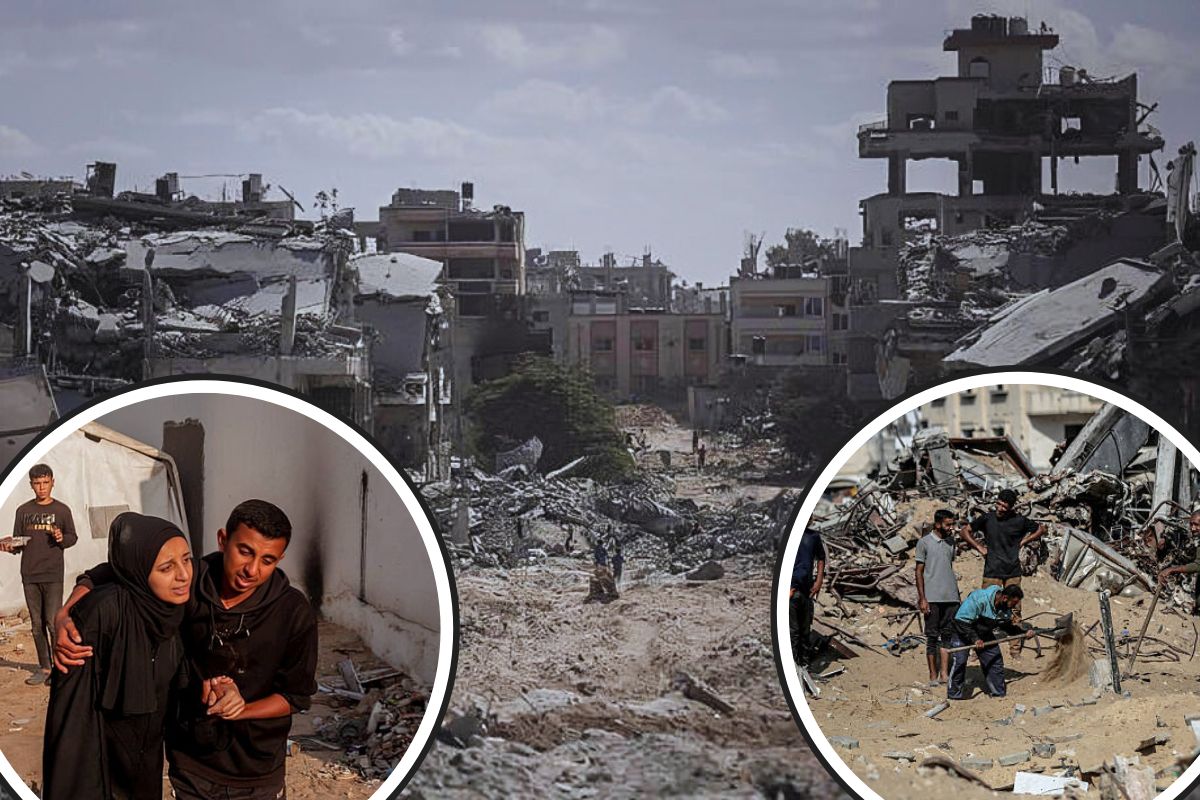
A ceasefire between Israel and Hamas, mediated by the United States, Egypt, Qatar and Turkey, came into effect on October 10, 2025. Under the first-phase agreement, Israeli forces withdrew from much of Gaza (pulling back to a designated “yellow line” on maps) and, within days, all hostages held in Gaza were released by Hamas.
In exchange, Israel freed roughly 2,000 Palestinian prisoners and agreed to let humanitarian aid flow more freely (including reopening the Rafah crossing into Egypt). By late January 2026 all captives had been repatriated (the last body arrived Jan. 26) and Hamas declared it had “fulfilled all its obligations” under the deal.
The ceasefire is officially in place with no fixed end date. It was structured as the first of a multi-stage “peace plan” proposed by the U.S. Trump administration. Phase one was to end hostilities and exchange prisoners; phase two (announced mid-January) focuses on disarmament of Hamas and Gaza reconstruction under international supervision.
So far, both sides say they remain at peace but the situation on the ground is volatile. Israeli troops remain stationed across roughly half of Gaza, and Hamas retains armed control in the other half.
Tensions Build as Both Sides Accuse Each Other
Although the guns fell largely silent after October, violence has not ceased completely. Gaza’s Health Ministry reported 481 Palestinians killed by Israeli fire since the ceasefire began. Israel’s military says its troops have faced periodic attacks from militants crossing the designated buffer zone (“yellow line”) or launching rockets from Gaza. In one recent incident (Jan. 24), Israeli forces said militants planted explosives near troops north of Khan Younis; Gaza medics said the fighting killed several civilians, including children. Israel has also conducted airstrikes when it alleges Hamas is using the lull to regroup or fire on soldiers, actions it describes as defensive.
Read Also: Trump Renews Bid to Purchase Greenland, Drawing Strong Global Opposition
Hamas and Palestinian officials counter that they have honored the truce and that Israel has repeatedly flouted it. In Cairo on Nov. 23, a Hamas delegation meeting Egypt’s intelligence chief “reaffirmed its commitment to implementing the first phase of the ceasefire agreement” while accusing Israel of “continued violations” that could “undermine the deal”. In Gaza this week the group reiterated that it had handed over all hostages and called on Israel to reciprocate fully – reopening Rafah in both directions, admitting aid, and withdrawing completely “without any deduction or delay”.
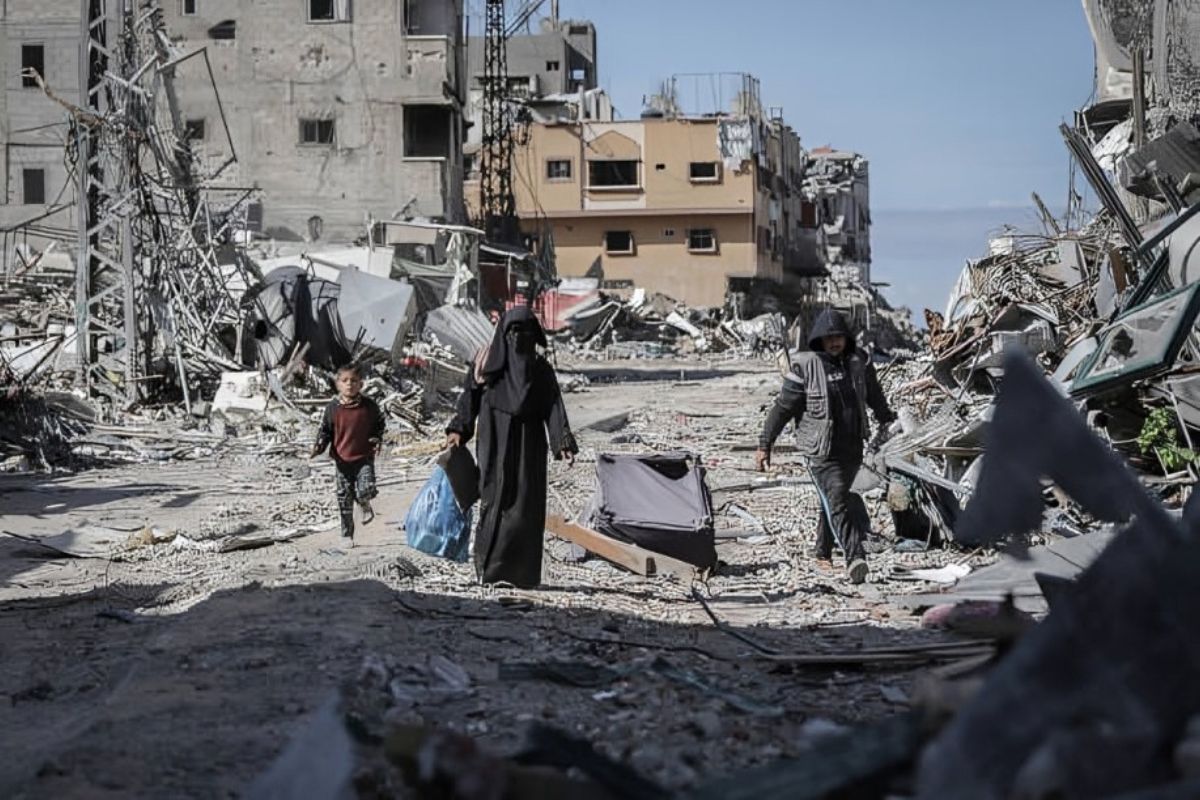
Some Gaza reports tally hundreds of Israeli strikes on Gaza towns and refugee camps since October, which aid groups say killed civilians and damaged infrastructure. Rights monitors note that even during the truce Israel’s forces have detained dozens of Gazans and raided Palestinian homes, which Gaza’s authorities cite as ceasefire breaches.
An independent analysis by Al Jazeera found that Israeli forces attacked Gaza on 94 out of the 110 days after the truce began, leaving only 16 quiet days. It tallied at least 488 Gazans killed by Israeli fire in that period. Reuters and other outlets describe the situation as a fragile “pause” more than a true peace. A recent Gaza photo report was headlined: “Short on tents and food, scenes from Gaza as winter approaches”, noting Gaza cities are “devastated” and aid delivery is slow even a month after the ceasefire.
Israeli officials insist they have largely held their side of the bargain and accuse Hamas of using the pause to rearm. A retired Israeli general told Reuters that Israel is ready for a new offensive if Hamas does not disarm. A cabinet minister, Avi Dichter, warned on Jan. 27: “We have to get prepared for the war in Gaza,” saying disputes over disarmament “will have to be solved by Israeli troops, the hard way”. Prime Minister Benjamin Netanyahu told Israel’s parliament that “the next phase is demilitarization of the Strip and disarming Hamas”, suggesting Israel will only allow Gaza rebuilding after full security guarantees.
Humanitarian Crisis and International Appeals
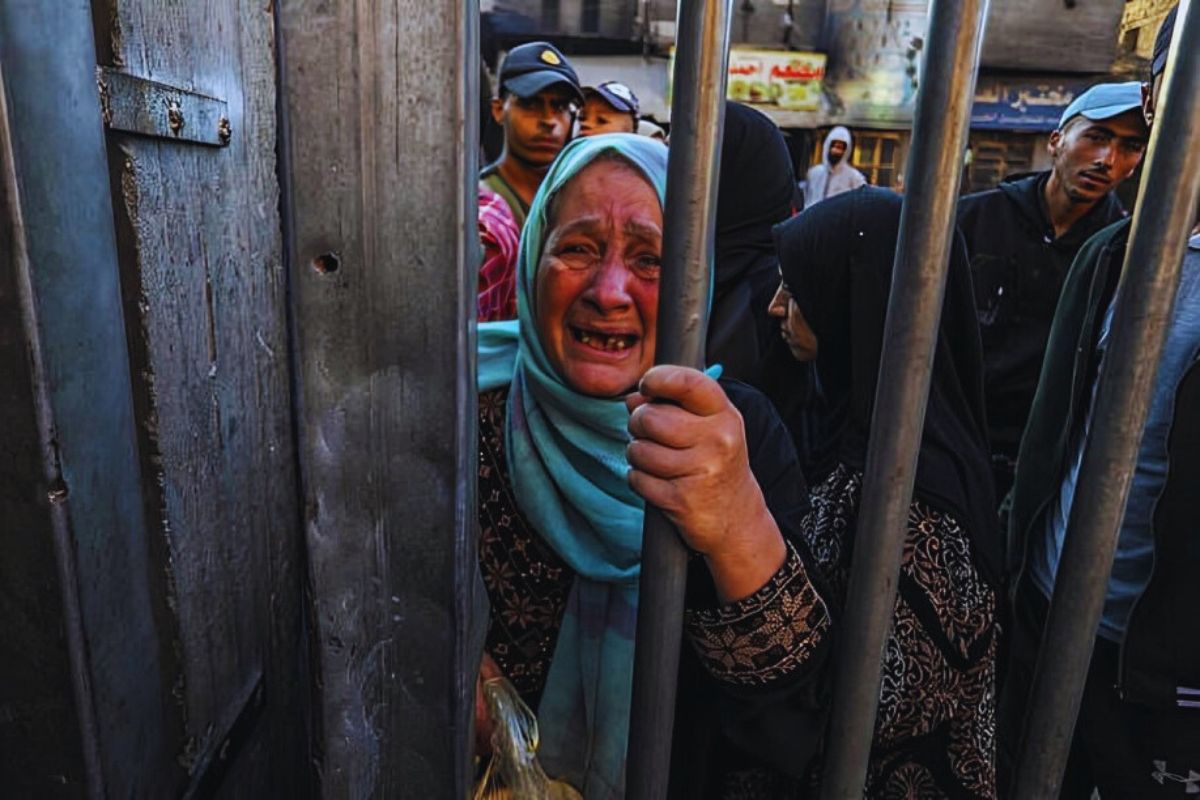
The humanitarian situation is a key factor shaping the ceasefire’s future. Gaza’s population of 2+ million remains largely displaced; nearly everyone fled southern Gaza under Israeli orders and now huddles in the north and east under harsh winter conditions. United Nations and aid officials say shelters are overwhelmed and rain has flooded many camps. UN Secretary-General Antonio Guterres warned on Jan. 3 that Israel’s decision to suspend dozens of aid groups from Gaza – reportedly for paperwork violations – “risks undermining the fragile progress made during the ceasefire”.
Read Also: Where is Venezuela On the Map? Location, Borders, and Why Its Position Matters Today
He called the NGOs’ work “indispensable to life-saving humanitarian work” and said the ban “will further exacerbate the humanitarian crisis”. UN and regional officials have repeatedly urged Israel to let unhindered aid flow into Gaza per the ceasefire terms; so far, shipments have increased but still fall short of needs.
Humanitarian agencies also warn that Gaza’s winter floods, damaged homes and lack of medicines are causing deaths. A recent statement by ministers from Qatar, Egypt, Jordan, Saudi Arabia, the UAE, Turkey, Pakistan and Indonesia said “deteriorating” conditions in Gaza “threaten to take even more lives” and urged the world to pressure Israel, as the occupying power, “to immediately lift constraints on the entry and distribution of essential supplies”.
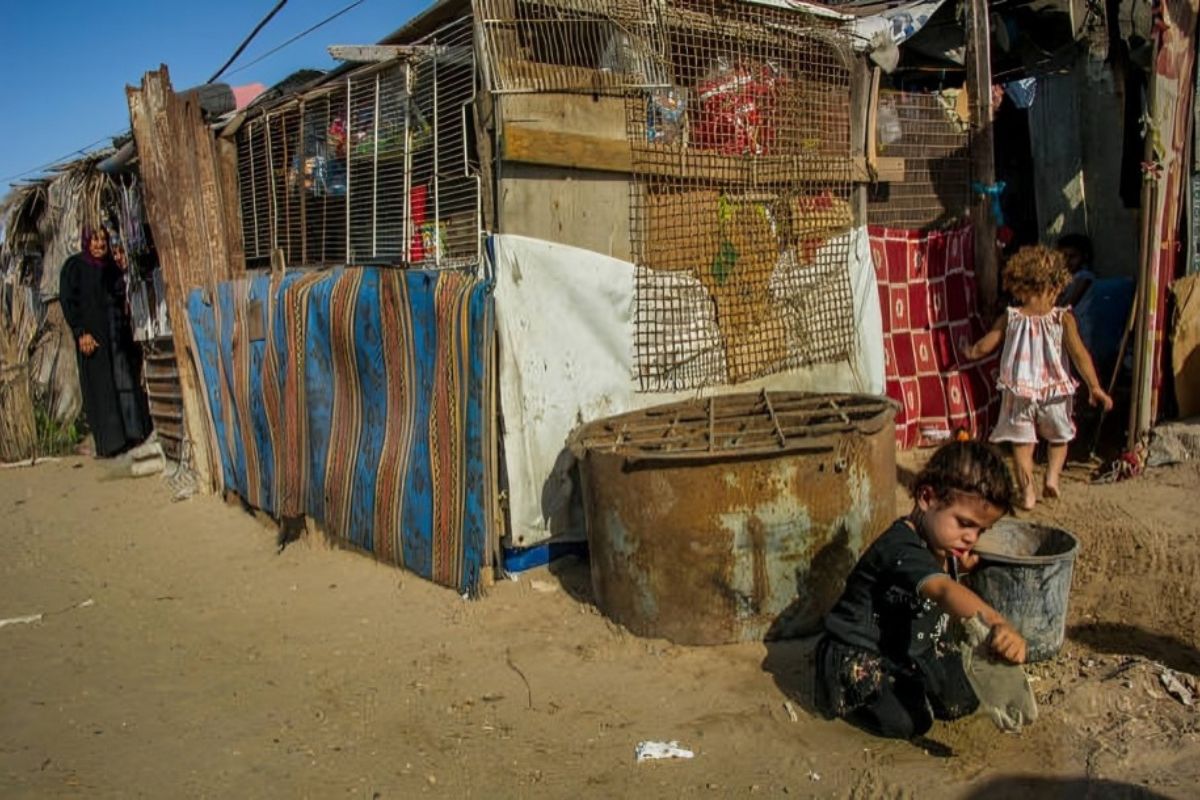
Human Rights Watch and UN relief officials say thousands of Gazans remain homeless or living in torn tents without electricity, while Israel maintains large parts of the enclave under military control.
In Israel, public concern has turned to the kidnapped hostages. With the last captives home, Israelis have been holding memorial events (the youngest hostage’s family marked the child’s second birthday, for example) and pressing the government to speed Gaza reconstruction. Netanyahu’s office on Jan. 27 said Israel will soon approve a large-scale Gaza redevelopment plan – including building new towns in southern Gaza – but only “after Hamas is demilitarized” (a pledge echoed by US envoy Steve Witkoff).
Political Considerations and Next Steps
Domestic politics in Israel and Palestine also influence the ceasefire’s fate. Reuters notes that Israel’s fragile governing coalition has splintered over war policy for “more than two years” – including the October truce – and that right-wing and religious parties demand tougher Gaza measures. A budget vote in late January revealed deep rifts: secular and ultra-Orthodox factions are at odds over military conscription, and Netanyahu warned snap elections could happen if the coalition falls apart. That instability could harden Israel’s stance, since an early election campaign would likely favor hawkish rhetoric.
On the Palestinian side, Hamas is walking a tightrope. Its fighters still control Gaza but the group agreed to relinquish day-to-day rule to the new technocratic authority. Hamas leaders have been careful to claim compliance. A senior Hamas figure, Bassem Naim, called the new 15-member administration “a step in the right direction” that is “crucial for consolidating the ceasefire, preventing a return to war, [and] addressing the humanitarian crisis”.
Another official said Hamas “must work with mediators and the international community to achieve calm and a return to normalcy in Gaza”. But ordinary Gazans face immense suffering, and any lapse of aid or security could revive anger against Hamas if Israel’s siege continues. Meanwhile, the Palestinian Authority (based in the West Bank) is pushing to tie Gaza’s future to its own; PLO official Hussein al-Sheikh has urged the new Gaza committee to operate under a “one system, one law” framework linking it to Ramallah’s government.
International mediators continue to press both sides. In mid-January, Egypt hosted talks between Hamas delegations and U.S. and Egyptian security officials to plot phase two. Egypt, Qatar and Turkey (which helped broker the truce) issued a joint statement welcoming the new Gaza administration as an “important development” to improve stability and humanitarian relief. The United States formally declared phase two underway on Jan. 14, announcing the launch of reconstruction efforts and a so-called “Board of Peace” to oversee Gaza’s transition. US and Gulf envoys have been meeting Israeli leaders too: on Jan. 24 Mr.
Witkoff and Jared Kushner flew to Jerusalem to discuss how to implement the plan, including expanding aid and redeploying Israeli forces further south. In theory, Israel has agreed to pull back more troops as a condition of peace; in practice, Israeli reports say a strategic buffer zone (the “yellow line”) will remain under Israeli control for now.
Regional and UN voices caution that without broader political progress, even a technical ceasefire may not last. The U.S. envoys’ visit came as Gaza’s health ministry reported another three civilians killed by Israeli fire, underscoring that calm remains fragile. A Chatham House analyst warned on Jan. 20 that without a clear “political vision” and a path to Palestinian self-determination, the ceasefire’s frameworks may ultimately fail to bring lasting peace. Others note that underlying issues – Israeli settlement expansion in the West Bank, regional tensions with Iran, the stalemate of the Palestinian Authority – remain unresolved.
For now, all parties publicly support keeping the truce. Israel’s government has ratified the ceasefire deal and says it will not reopen combat unless Hamas breaks it first. Hamas likewise says it will not resume firing as long as Israel abides by the deal. International mediators continue shuttle diplomacy to convert vague promises into concrete steps. But both sides keep contingency plans in hand.
As one Hamas official noted, discussions on amnesty for decommissioned fighters are “a significant step” – but he added that much “depends on what the Israelis, Americans…Qataris, Turkish, the Egyptians – what they bring to the table with Hamas”.
In short, the October truce has halted Israel’s 20-month Gaza offensive, saved civilian lives and allowed some relief to flow into Gaza. Yet every week sees new questions: Will Israel really withdraw its forces? Will Gaza’s fighters give up their weapons? Can aid scale up enough to stave off crisis? With elections looming in Israel and an election-year U.S. administration insisting on progress, negotiators are racing to answer these before the ceasefire is tested. As one regional analyst put it, the pause is real but only a first step – how durable it is will be decided by whether both sides choose peace over war.
Sources: Reporting by Reuters, Al Jazeera and others. Each fact and quote above is drawn from recent news reports.