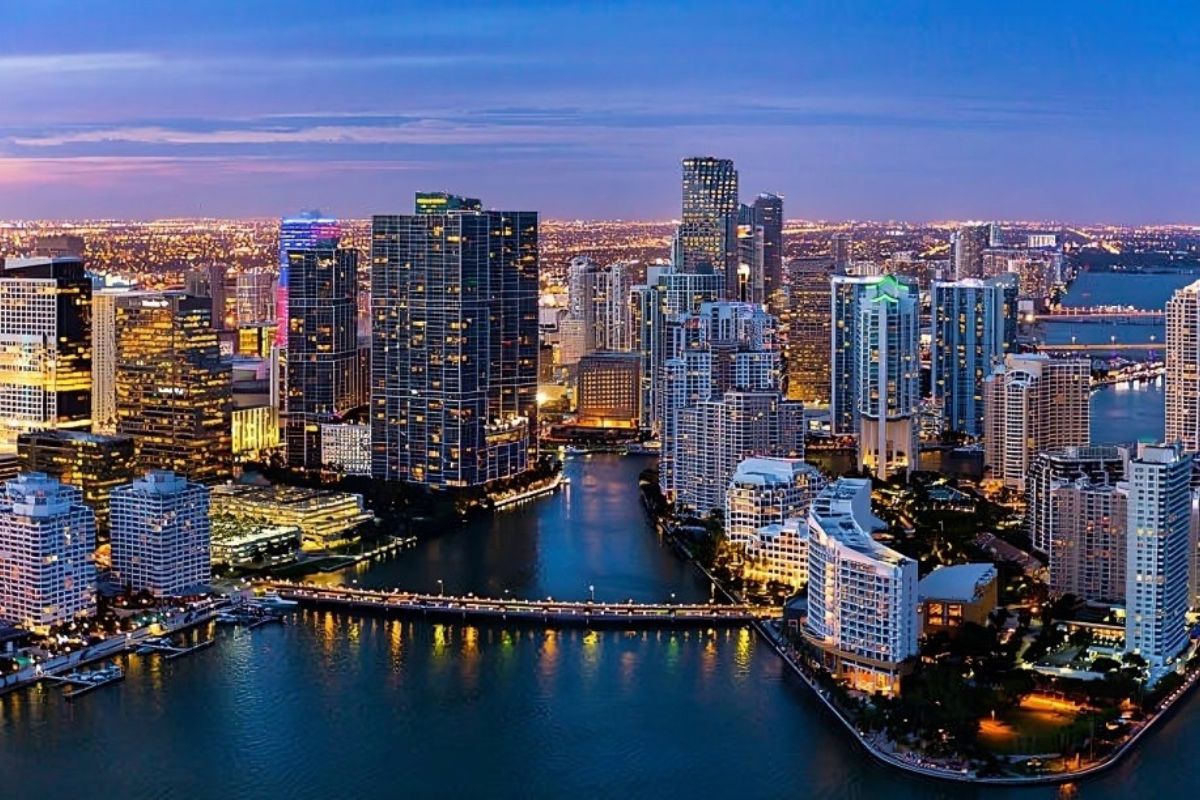
Choosing a top big city involves trade‑offs across many quality‑of‑life factors. Key criteria include job market, cost of living, safety, transportation, diversity, climate, cultural amenities, healthcare, and education. For example, Raleigh, NC was recently ranked the nation’s No.1 large metro for economic performance, citing its strong job and wage growth in tech and biosciences.
Meanwhile, cost‑of‑living indices show New York City and San Francisco far above other metros (New York = 100 baseline). In this article we survey each factor with up‑to‑date data and rankings, then highlight leading cities that excel in these areas.
- Job Market & Economy: Large cities with diversified or high‑tech economies generally offer more jobs and higher wages. For example, the Milken Institute’s “Best Performing Cities 2025” ranks Raleigh, NC first among large metros for strong employment growth and a booming tech sector.Checkr’s 2025 analysis likewise names Raleigh the No.1 U.S. city for job opportunities and earning potential, with Austin (#3) and Nashville (#2) close behind. Cities like Seattle (Amazon/Microsoft hub) and San Jose (Silicon Valley) also drive high incomes, although their growth rates have cooled somewhat. By contrast, SoFi reports that some large cities still have relatively high unemployment – Los Angeles had ~5.9% in June 2025 (above the 4.1% national average) – suggesting room for improvement in certain older industrial centers.
- Cost of Living & Housing: Costs vary widely. Numbeo’s mid‑2025 index puts New York at 100 (the baseline). San Francisco (90.7) and Seattle (86.0) are also very expensive. Boston (82.7) and Washington, D.C. (82.5) are high as well. By contrast, Dallas (67.0) and Phoenix (not listed but similarly low) rank among the most affordable big metros.For example, a typical 10 km commute in Phoenix costs far less than in Manhattan or San Francisco. High costs in coastal tech hubs often temper their overall livability, whereas mid‑sized Southern and Midwestern metros tend to be cheaper.
- Safety (Crime): Crime rates also differ greatly. A 2025 Smart Asset study of 50 largest US cities found San Jose, CA to be the safest among large metros, with Los Angeles and Fort Worth close behind. By contrast, Chicago (the 3rd-largest city) ranked near the bottom (38th of 50) for safety.Many Texas cities (Fort Worth, Arlington, El Paso) scored well on safety, as did Miami and Raleigh. In general, suburbs and smaller cities often have lower crime than dense urban cores, but some large cities like San Diego and Honolulu also have relatively low violent crime. Recent trends show some big-city crime declining, but public safety remains a major concern in places like Chicago and Washington, D.C.
- Transportation & Commute: Accessibility of transit and the quality of commute affect daily life. New York City’s subway is the nation’s largest system, accounting for roughly 46% of all US public-transit rides, but road congestion in NYC is extreme: TomTom’s 2024 data found New York had the slowest-moving traffic in the US, with a 10 km drive taking ~31 minutes on average.Los Angeles and San Francisco also rank among America’s worst traffic jams (SupplyChain24/7). In contrast, cities like Seattle, Denver or Portland have moderate congestion and growing light‑rail networks, and some Midwestern cities (Minneapolis, Columbus, Indianapolis) enjoy relatively light traffic and reliable bus or rail service. Public transit coverage is best in the Northeast (NY, Boston, Philadelphia, DC) and Chicago; many Sun Belt metros still rely heavily on cars and have limited rail transit.
- Diversity: Diversity of population (ethnic, cultural, economic) is often cited in livability. Large cities tend to be more diverse. For instance, Houston is consistently ranked among the most diverse large metros (it placed #5 nationally in one 2025 diversity ranking). New York and Los Angeles famously host people from around the world, although smaller suburbs and towns sometimes top the index of diversity.Diversity brings a variety of cuisine, festivals, languages, and community resources. Overall, major coastal and Sun Belt metros (Houston, Dallas, Miami, Orlando, Phoenix) are especially multicultural, while many Midwestern metros are somewhat less so.
- Climate & Environment: Climate preference is subjective, but patterns emerge. Coasts often offer moderate weather (e.g. San Diego’s mild year-round climate is highly rated), while inland cities can have hot summers and cold winters. Cities in the South and Southwest (Atlanta, Houston, Phoenix) face very hot summers and sometimes extreme weather (hurricanes, drought), whereas Pacific Northwest and mountain cities (Seattle, Denver) are temperate but rainier or snowier. Air quality is generally better in western cities, except occasional wildfires.Climate change concerns (heat waves, storms) are increasingly factored into livability; for example, Tampa and New Orleans must consider hurricane risk, while snow-prone cities like Minneapolis must budget for winter driving.
- Cultural Amenities: Big cities typically offer rich arts, entertainment and dining scenes. In DataArts’ 2024 “arts vibrancy” ranking of the 40 most culturally active U.S. cities, San Francisco, New York and Boston rank #1–3 for arts and culture. Washington D.C., Minneapolis, Philadelphia and Chicago also place in the top 15.These cities boast world‑class museums, theaters and music venues. Among smaller (but still large) metros, Austin, Nashville and New Orleans stand out for live music. Cultural life is generally much richer in large metros than in smaller towns; conversely, some of the fastest-growing Sun Belt cities (like Phoenix, Dallas) are working to build more cultural infrastructure to match their growth.
- Healthcare & Education: Access to quality healthcare and education is a key draw. A HealthcareInsider analysis of the 20 largest U.S. metros ranked Boston #1 for healthcare (driven by top hospitals and preventive care), with Minneapolis–St. Paul (#2) and Philadelphia (#3) close behind. At the bottom were Detroit and Miami, which had weaker health metrics.Major cities also host many universities: for example, Boston (Harvard, MIT), New York (Columbia, NYU), Chicago (UChicago), San Francisco Bay Area (Stanford, UC Berkeley), and Washington, DC (Georgetown, GWU). WalletHub’s 2025 “most educated cities” list includes San Jose, DC, Seattle, and Boston in the top 10, reflecting their high percentages of college grads.
In summary, Northeastern and West Coast tech hubs tend to rank highest for healthcare access and educational attainment, while some growing metros in the Midwest/South are still catching up.
City Highlights: Based on the above factors, several large cities consistently rate highly in recent analyses.
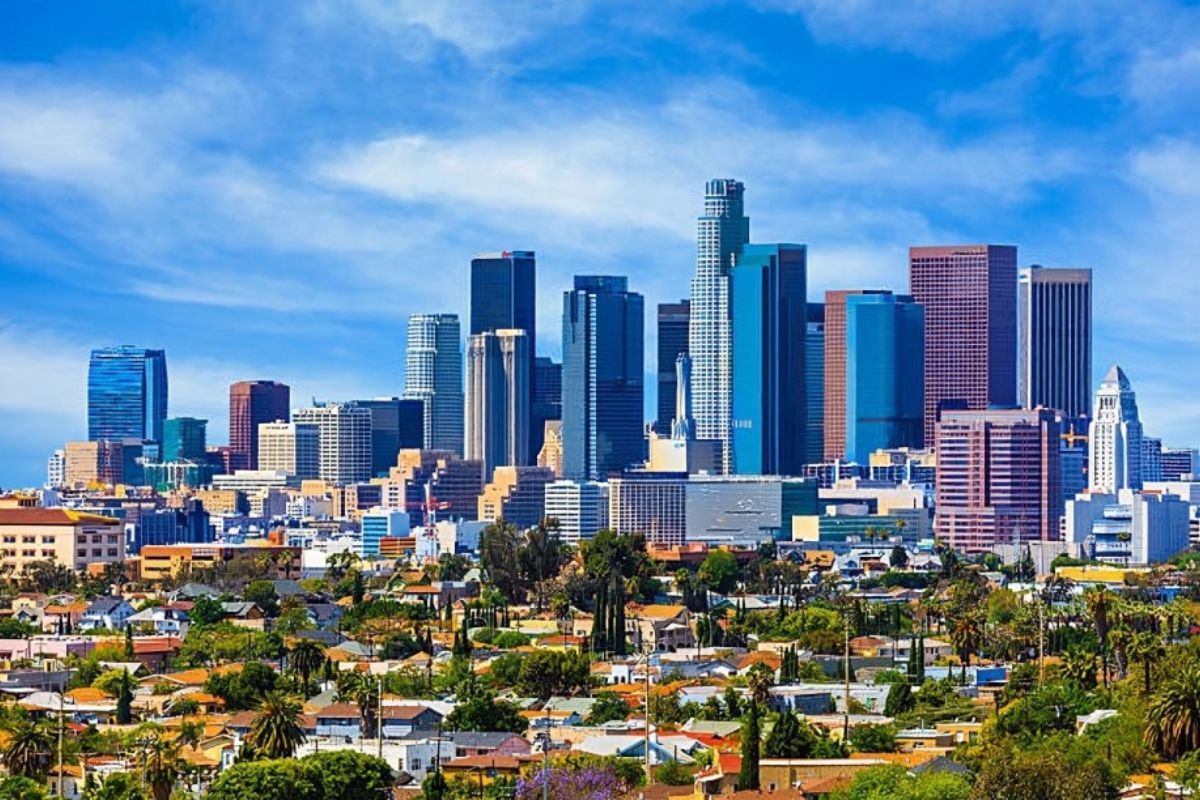
- Raleigh, NC: Tops Milken’s and Checkr’s 2025 job‑market rankings. It pairs a strong tech/biotech economy with relatively low housing costs. The area is considered very safe and family‑friendly, with good schools (WalletHub #6 most educated metro). The climate is mild (four seasons, wet spring/fall) and traffic congestion is low, though public transit is limited.
- Seattle, WA: A leading tech hub with major companies (Amazon, Microsoft, Boeing). Seattle’s cost-of-living index (~86) is high, but incomes are correspondingly above average. SmartAsset lists Seattle’s metro among the 15 safest large U.S. cities. Cultural amenities are rich (Seattle ranks in DataArts’ top 15 for arts) and the city has good healthcare (HealthCareInsider rank #5). Commutes are better than in LA/NYC, thanks to moderate traffic and expanding light rail.
- Austin, TX: A fast-growing tech and startup center. Austin scored near the top of job‑market lists (Checkr #3). The cost of living is moderate (Austin index likely around 70–80). Safety is generally good (Texas cities tended to rank well in SmartAsset). However, traffic is worsening as population booms (limited highways, car dependence).Culturally, Austin is known for live music and festivals, though its arts infrastructure is smaller than coastal cities. Healthcare and education are improving: Austin’s universities (UT Austin, etc.) are strong, but its HealthcareInsider rank (#3) was lower than Boston or Minneapolis.
- Denver, CO: Enjoys a healthy economy and outdoor lifestyle. Denver’s cost index is moderate (71.3). It made DataArts’ top 20 arts‑vibrant list and has good hospitals (HealthcareInsider #8). Safety is relatively high, and congestion is manageable compared to coastal megacities. Winters are snowy but moderate compared to the Midwest. Denver’s school system and tech sector (startups, telecom) have grown, though educational attainment is average (WalletHub outside top 10).
- Boston, MA: Ranks very high on culture, healthcare and education. Boston’s cost-of-living is steep (index 82.7), but it has top-ranked universities and medical centers. It’s #1 on HealthcareInsider and #10 on WalletHub’s education list. Public transit is extensive (MBTA), and the city has robust cultural life (DataArts #3). Winters are harsh, and housing costs drive many young families to nearby suburbs, but overall Boston offers nearly unmatched quality in healthcare and education.
- New York City, NY: For completeness, NYC is the nation’s largest economy with limitless job opportunities in finance, tech, media, and more. It leads in diversity and transit (nearly half of U.S. transit rides), and culture. However, it also has by far the highest cost of living (index 100) and the worst rush‑hour congestion (over 35 minutes for 10 km in peak times).Safety has improved post‑pandemic but still trails some other cities (smartasset excluded it from its top safes). NYC thus scores extremely high on jobs and culture but ranks lower on affordability and commute.
Comparison Table: Below we summarize how several top metros stack up on these criteria. (Ratings are qualitative summaries based on the sources above.)
| City | Jobs & Economy | Cost of Living | Safety (Crime) | Transport/Commute | Diversity | Culture & Amenities | Healthcare | Education |
| Raleigh, NC | Very Strong: #1 Milken/Checkr (fast growth) | Low | High (low crime) | Moderate (short commutes) | Medium (growing diversity) | Moderate (smaller arts scene) | Good (modern hospitals) | High (#6 WalletHub) |
| Seattle, WA | High: Thriving tech hub | High (index ~86) | High (relatively safe) | Good (moderate traffic) | High (multicultural) | High (top 15 arts city) | High (#5 HealthcareInsider) | High (#9 WalletHub) |
| Austin, TX | High: Top tech growth | Medium (lower than coasts) | High (safe) | Poor (traffic, sprawl) | High (rapidly diversifying) | Medium (live music scene) | Medium (improving) | High (#8 WalletHub) |
| Denver, CO | High: Growing industries | Medium (index 71.3) | High (safe) | Moderate (expanding light rail) | Medium | High (DataArts top‑20) | High (#8) | Medium |
| Boston, MA | High: Financial/tech hub | High (index 82.7) | High (safe) | High (transit system) | Medium | Very High (arts & culture #3) | Very High (#1) | Very High (#10) |
| New York, NY | High: World finance center | Very High (index 100) | Medium (improved) | Poor (worst congestion) | Very High (most diverse) | Very High (top arts city) | High | High |
Each city excels in some categories and lags in others. For example, Raleigh and Dallas combine affordability with strong job growth, while Boston and Seattle deliver top healthcare and cultural amenities at a higher price. New York and San Francisco top many economic and cultural lists but suffer from extreme costs and commute times.
No single city is best in all categories, but 2025 data highlights certain leaders. Fast‑growing tech hubs like Raleigh, Seattle, Austin, Denver, and Boston consistently rank near the top for jobs, education and culture, whereas the Sun Belt’s Dallas and Houston score well on affordability and diversity. Factors like remote work flexibility and climate are shaping recent trends – many young professionals now favor milder-weather, lower‑cost cities with growing economies.
Ultimately, quality of life depends on one’s priorities: for families it might be safety and schools (favoring Raleigh or Minneapolis), for professionals it might be jobs and transit (favoring NYC or Boston), and for retirees climate and healthcare (favoring Tampa or Phoenix). Our analysis, based on the latest 2024–2025 reports and indices, provides a multi‑dimensional view of where major U.S. cities stand today.