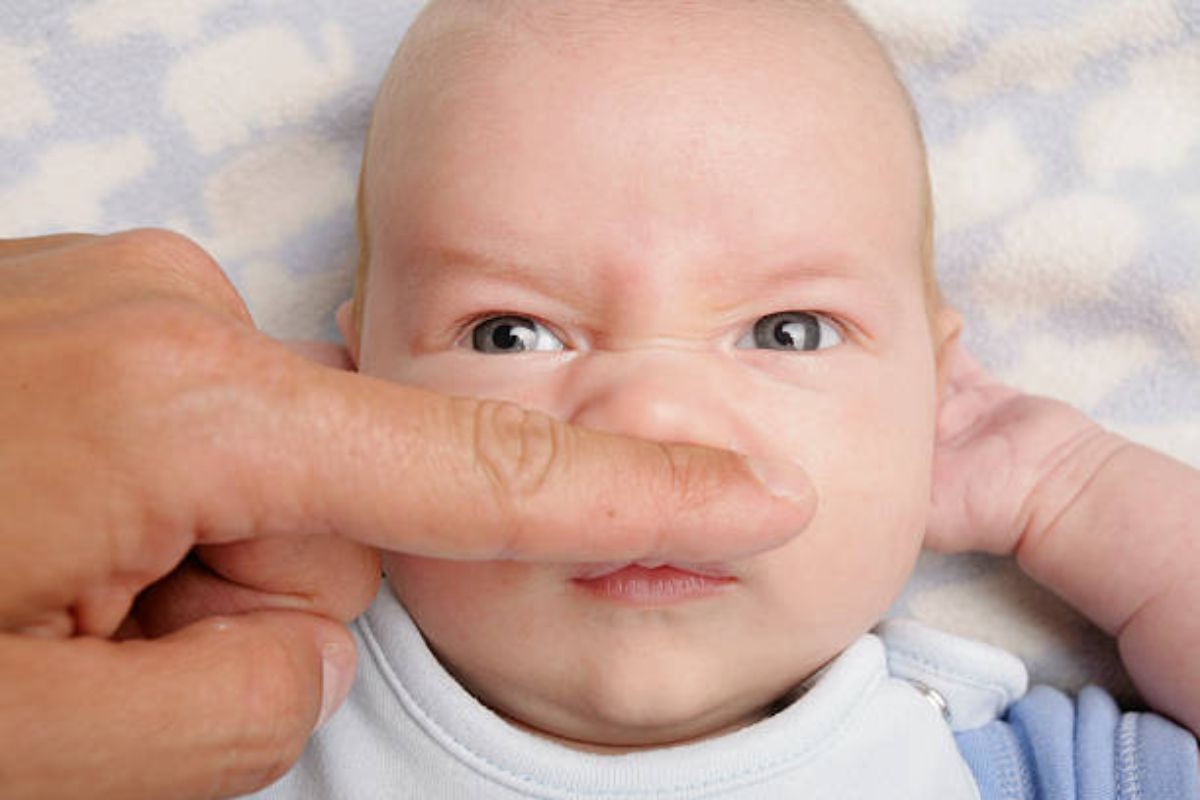
Hiccups are very common in newborns and infants. They occur when the diaphragm (the muscle below the lungs) suddenly spasms, causing the baby to make the characteristic “hic” sound. In infants, hiccups often happen during or after feeding, but they can occur any time. Typically, baby hiccups are a normal, harmless reflex and usually bother parents more than the baby. Below are expert-backed insights on why hiccups happen, how (and whether) to treat them, and when to worry.
What Causes Hiccups in Infants?
Infant hiccups are usually triggered by stomach or diaphragm irritation. Common causes include:
- Feeding (air and gas): Babies often swallow air while feeding (bottle or breast). A large, fast, or greedy feeding can distend the stomach, pressing on the diaphragm and causing spasms. In fact, pediatricians note that “with newborns, hiccups are associated with feeding – the baby might eat too fast or too much… [so the] belly gets distended and starts to touch the diaphragm and cause those spasms”.
- Immature reflexes: Hiccups are one of the earliest reflexes to appear (even occurring in utero by 9 weeks). In newborns and infants, the nervous system controlling the diaphragm is still maturing, so hiccups happen frequently even without obvious triggers. Recent research suggests hiccupping may actually help infants learn to regulate their breathing as the brain develops.
- Stomach upset: Spitting up or reflux can sometimes irritate the diaphragm via the phrenic nerve. Gastroesophageal reflux (GERD) is a common cause of frequent hiccups in infants. If stomach contents back up into the esophagus, it can trigger hiccups (along with spitting up and irritability).
- Other mild triggers: Sudden temperature changes (e.g. going outside on a cold day), strong emotions (excitation or stress), or even lying down soon after eating can rarely prompt hiccups. But in most cases, no single cause is found.
In summary, most infant hiccups are normal: they often start in the womb and are simply part of the baby’s developmental breathing reflex. The most common trigger in infants is feeding – swallowing air or having a bubbly tummy – which gently “tickles” the diaphragm and makes it spasm.
Are Baby Hiccups Harmful?
Generally, no – baby hiccups are not harmful. Babies rarely show discomfort from hiccups, and most will sleep or feed right through them. Pediatric experts agree that infant hiccups are benign:
- “Baby hiccups are very common, and they aren’t normally a problem,” says a pediatrician from the Cleveland Clinic. In fact, hiccups “bother parents more than the baby.”
- Medical reviews note that hiccups typically do not cause pain or harm in infants. Unlike adults (who may find them annoying), babies seem unfazed by hiccups.
Because hiccups are so frequent (some babies hiccup many times a day), they are considered a normal part of infancy. In most cases, hiccups will self-resolve within a few minutes. For example, one pediatric healthcare blog states that hiccups “generally are very mild, and they usually go away after a few minutes”.
Bottom line: In otherwise healthy babies, hiccups alone are not dangerous and usually do not require treatment.*
Safe Ways to Stop or Prevent Baby Hiccups

If your baby’s hiccups seem to upset them (or you just want to help), there are several gentle, safe measures you can try. These focus on reducing air intake and relaxing the diaphragm. Key tips include:
- Burp your baby frequently. Pausing to burp can release air and gas before it triggers hiccups. For bottle-fed babies, it helps to burp them after every 2–3 ounces (or halfway through the feeding). If you’re breastfeeding, burp them when switching breasts. Gentle patting or rubbing on the back can aid this process. In many cases, burping while feeding or at the first sign of hiccups will stop the spasms.
- Keep baby upright during and after feeds. Feeding in a more upright position helps prevent gulping down air. Prop the baby at a 45-degree angle (supported with pillows or your arm), rather than lying flat, during meals. After feeding, hold the baby upright for 15–30 minutes. This helps gravity keep milk and air in check. (One tip: “Don’t lay them right back down. Keep them up for 15 or 20 minutes to help them digest better,” says an OSF pediatrician.)
- Feed smaller, slower meals. Avoid overfeeding. Offer smaller amounts more often so the baby’s stomach never gets too full. Watch for fast or agitated feeding. If your baby is overly hungry and gulping, take a break and soothe them (such as by burping) before continuing. AAP guidance suggests feeding when baby is calm and not extremely hungry to make hiccups “less likely during feedings”.
- Use a pacifier or soother. Sucking can sometimes relax the diaphragm muscle. Many parents find that offering a pacifier at the first sign of hiccups helps stop the spasms. This is anecdotally reported and backed by pediatricians who explain that the sucking motion can interrupt the hiccup reflex. (Just ensure the baby is old enough for a pacifier, and supervised as always.)
- Gently rub or rock the baby. Calm soothing actions can ease the diaphragm spasm. Try holding the baby upright against your chest and gently patting or rubbing their back. Rocking them slowly also helps relax the breathing muscles. A relaxed, warm environment can also help—avoid fussing or startling the baby during hiccups.
- Try gripe water (with caution). Gripe water is an over-the-counter herbal remedy (often containing ginger, fennel, chamomile, etc.) that some parents use for colic or hiccups. A few parents report it helps relieve hiccups, but there’s no strong scientific evidence for this effect. If you choose to try gripe water, use a brand without alcohol or high sugar, and check with your pediatrician first. (Note: Some guidelines suggest not giving gripe water to babies under 6 months.)
- Let it run its course if baby is comfortable. In many cases, the best “cure” is patience. If your baby isn’t upset, you can simply wait — most hiccups stop on their own in a few minutes. As one expert advises: “Hiccups stop on their own and don’t cause discomfort to babies. So don’t feel you need to treat them”.
Helpful Feeding and Routine Tips
- Burp breaks: Make a habit of burping mid-feed and after feeding, even if the baby doesn’t seem gassy. A simple pause and pat can prevent air build-up.
- Feed upright: Whether breastfeeding or bottle-feeding, hold baby upright (or use a semi-reclined feed) to reduce swallowing air.
- Calm feeds: Dim lights and reduce distractions. An overstimulated or very fussy baby tends to gulp air more.
- Consistent schedule: Feeding before baby gets extremely hungry can help keep them calm and less likely to gulp feeds.
Practices to Avoid
Some popular “hiccup cures” are unsafe or simply ineffective for infants. Parents should never:
- Startle or scare the baby. Routines like saying “Boo!” or otherwise frightening the baby are unsafe and can upset them. (Hiccups cannot be “scared away” in infants.) Medical sources warn against any shocking methods for babies.
- Pull the baby’s tongue or do other magic tricks. Classic adult remedies (tongue-pulling, sipping water upside-down, pinching the nose) are not safe for infants and have no proven benefit.
- Give water, soda, or sugar to “cure” hiccups. Babies should not be given tap water (especially under 6 months) or sugared drinks. Likewise, any home remedies like honey, lemon, or ginger are not recommended for newborns (and honey is dangerous under 1 year). These adult hiccup cures can risk choking or upsetting the baby’s digestion.
- Overfeed or force-feed. Giving more milk or cereal to “stop” hiccups can worsen the problem. Overfeeding only distends the stomach more, making hiccups likely to continue.
- Ignore comfort and safety. Don’t shake or jostle a hiccupping baby out of frustration. Always handle infants gently.
In short, stick to mild soothing measures. Avoid any aggressive or unverified remedies that could stress or endanger the baby.
When Hiccups Might Signal a Problem
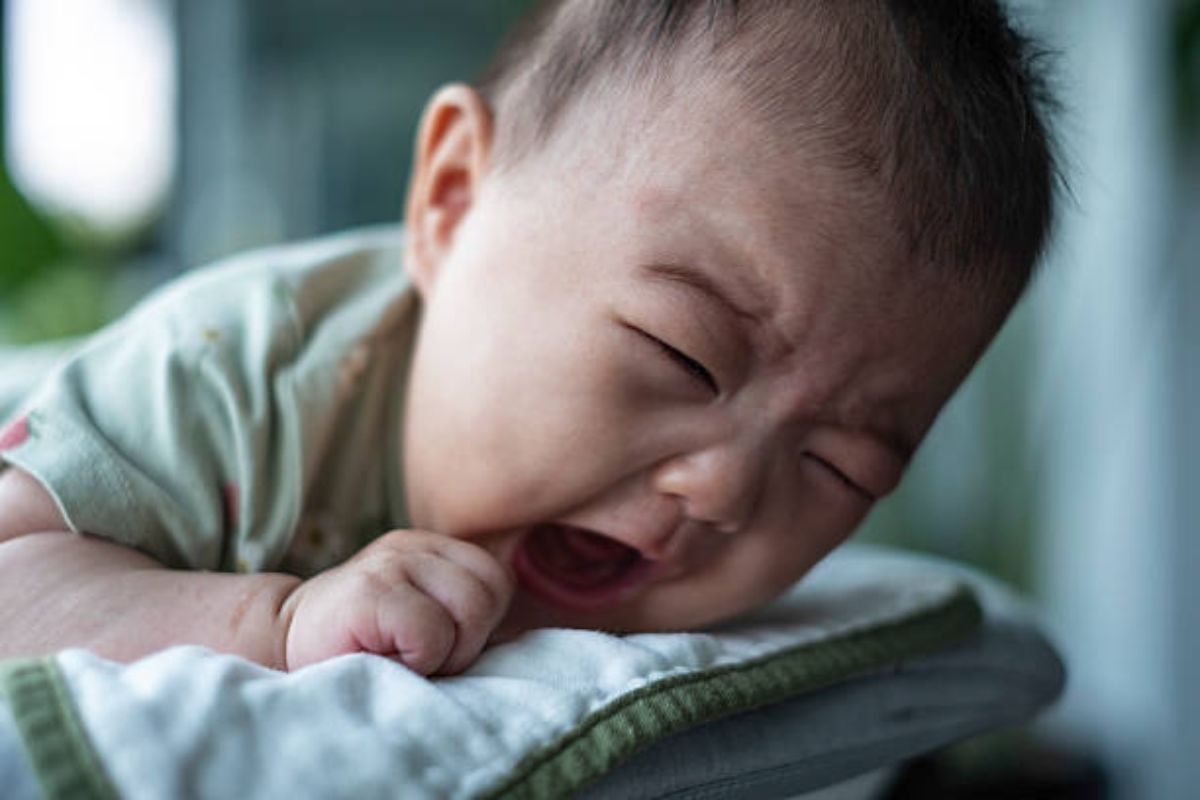
While nearly all infant hiccups are benign, certain patterns could suggest an underlying issue that deserves medical attention. You should consult your pediatrician if:
- Hiccups are very frequent or prolonged. Normal baby hiccups last a few minutes and occur occasionally. If your baby’s hiccups persist continuously for an hour or more, or happen very frequently (multiple times per day) and do not resolve with normal soothing, mention it to the doctor.
- Hiccups are accompanied by worrisome symptoms. Pay attention to other signs of discomfort:
- Spitting up or vomiting after hiccups, especially if forceful.
- Arching the back and crying during or after feeds (common reflux behavior).
- Persistent coughing, wheezing, or trouble breathing.
- Irritability or inconsolable crying that seems linked to hiccups.
- Poor feeding or poor weight gain.
- Cleveland Clinic notes that if hiccups occur with reflux symptoms (coughing, spitting up, irritability, back-arching) a baby may have GERD and should be evaluated. Similarly, parents should be alert for reflux-like signs; if present, a doctor can advise on management.
- Underlying conditions (rare). In extremely rare cases, very frequent, severe hiccups (especially in a newborn) can be a symptom of neurological or metabolic conditions. For example, a rare metabolic disorder called nonketotic hyperglycinemia (NKH) can present with intractable hiccups among other serious symptoms. These cases are exceptionally uncommon and usually come with other red flags (poor muscle tone, lethargy, seizures, etc.). Nonetheless, doctors advise that if a baby’s hiccups are persistent beyond the normal range and accompanied by concerning signs, it warrants evaluation.
*Key point: In isolation, hiccups are almost never dangerous. But if hiccups are constant, severe, or linked with other problems (poor feeding, spitting up, breathing issues, lethargy), be sure to mention it at your baby’s checkup. Better safe than sorry.
Tips for Parents
- Stay calm. Your baby senses stress. A gentle, soothing approach will help both of you.
- Keep a log. If hiccups seem unusual, note frequency, duration, and any accompanying symptoms to discuss with the doctor.
- Maintain safe sleep practices. Even if your baby hiccups during sleep, always lay them on their back in a safe sleep environment; hiccups alone do not increase SIDS risk.
- Trust your instincts. Occasional hiccups are normal, but you know your baby best. If something feels off, call your pediatrician for guidance.
Sources
Advice above is drawn from pediatric and medical experts and guidelines. For example, the Cleveland Clinic and American Academy of Pediatrics emphasize gentle burping, upright feeding, and that hiccups generally aren’t harmful. Medical reviews and blogs agree that most infant hiccups are benign and usually stop on their own. Always consult your child’s healthcare provider for personalized medical advice.