
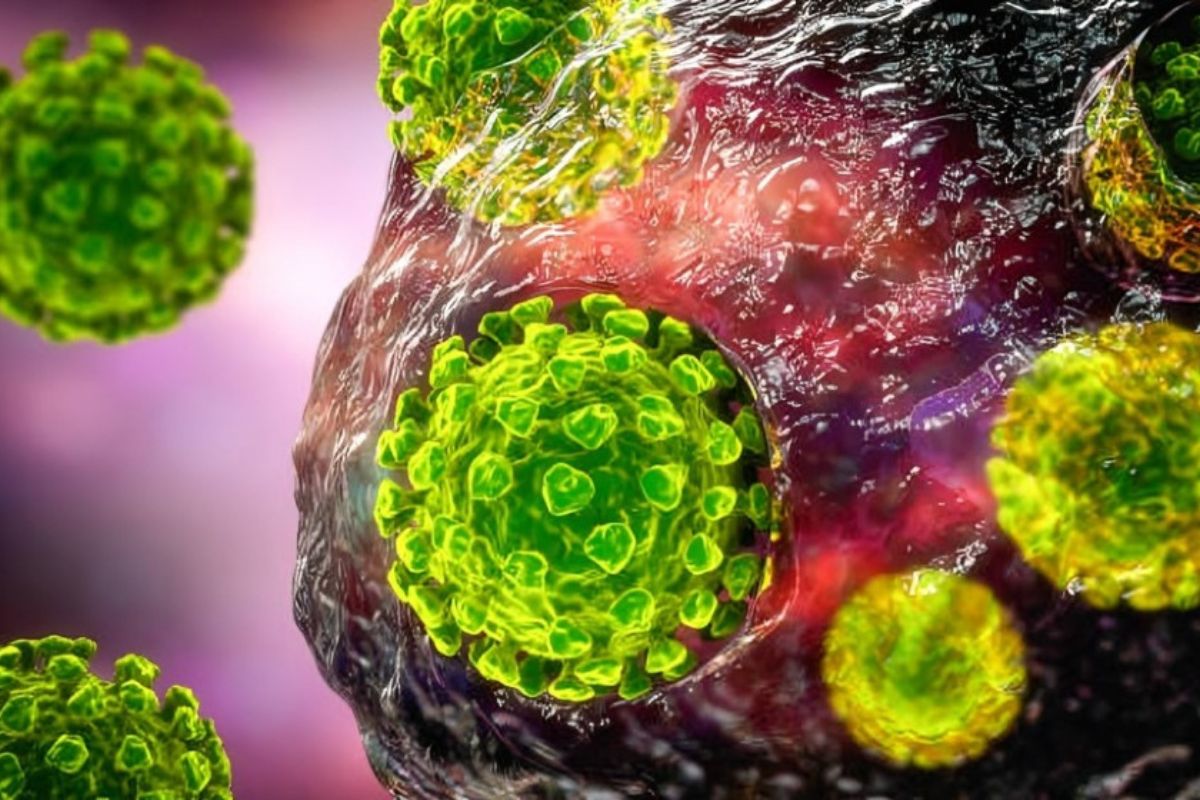
Human metapneumovirus (hMPV) is an enveloped, negative-sense RNA virus in the Pneumoviridae family – the same family as RSV. Its spherical virion carries surface glycoproteins (a fusion F protein and an attachment G protein, among others) embedded in a lipid envelope (diagram above). First identified in 2001, hMPV has circulated worldwide for decades.
It causes respiratory illness in all ages, most often a “common cold”–like syndrome. In healthy people hMPV usually produces mild symptoms, but it can invade the lower airways (causing bronchiolitis or pneumonia) and be severe in vulnerable patients.
How Diseases Spread and Why Seasons Matter
HMPV spreads like other respiratory viruses. It is transmitted by respiratory droplets from coughing or sneezing, by close personal contact (e.g. handshakes), and by touching contaminated surfaces and then one’s face. The virus circulates seasonally: in temperate regions it typically peaks in late winter through spring (often overlapping or following the RSV and influenza seasons).
For example, pre‑pandemic U.S. surveillance showed median hMPV peak in March–April (cold season), with about 20–21 weeks of activity each season. Transmission is higher in crowded settings (schools, daycares, nursing homes) and among unvaccinated, poorly ventilated populations. Notably, COVID-19 precautions (masking, distancing) sharply reduced hMPV spread in 2020–21, and cases rebounded once restrictions lifted.
Symptoms and Clinical Course
Typical hMPV infection causes a head‑cold illness: fever, cough, nasal congestion, sore throat, muscle aches and headache. In infants and the elderly it often causes bronchiolitis (wheezing) or pneumonia. Severe disease signs – such as difficulty breathing, chest pain, high dehydration or persistent high fever – warrant prompt medical attention. Because hMPV symptoms mimic those of RSV, flu or COVID-19, clinicians may test by PCR panels when needed.
There is no specific antiviral for hMPV; treatment is entirely supportive. Patients are advised to rest, stay hydrated and use over-the-counter cough or fever medications as needed. Most otherwise healthy individuals recover within about one week (often “feel better in a few days”), though cough or fatigue can linger longer. Pneumonia or wheezing typically resolve with supportive care, but high-risk patients may need hospitalization for oxygen or intravenous fluids.
Who is at Risk for Severe hMPV?
Read Also: Premenstrual Constipation: Hormones, Digestion, and Relief
All age groups can catch hMPV, but infants and young children, older adults, and immunocompromised people are at highest risk of serious illness. Globally, hMPV is a major pediatric pathogen: one estimate found ~11.1 million cases of hMPV lower-respiratory infection in children under 5 in 2018, with ~502,000 hospitalizations and ~11,300 deaths. In the U.S., children <2 years and adults ≥65 typically account for most hospitalizations. Underlying conditions greatly raise risk: prematurity, chronic lung or heart disease, and neuromuscular disorders are known risk factors in children.
For adults, chronic obstructive pulmonary disease, asthma, heart failure, kidney disease and diabetes increase susceptibility. Immunosuppression (e.g. transplant recipients, cancer chemotherapy, high-dose steroids, HIV/AIDS) substantially raises the chance of prolonged infection and complications. One expert notes that organ transplant patients, cancer patients, and people over 75 are among those especially at risk.
Hospitalization and Mortality
While hMPV is often mild, it can cause severe disease and death in high-risk groups. In hospitalized cohorts, hMPV has been associated with substantial morbidity: for example, one study found that an hMPV diagnosis nearly doubled the risk of serious respiratory complications in inpatients. Observational data suggest overall outcomes are comparable to RSV or influenza in similar patients. Mortality rates vary by setting; published reports in hospitalized immunocompromised or elderly groups show mortality on the order of a few percent.
Notably, globally an estimated 11,300 children under 5 died of hMPV-associated pneumonia in 2018, underscoring that hMPV can be fatal in young infants. Case reports also document deaths: e.g. a 33-month-old child died from hMPV pneumonia during a daycare outbreak. Overall, hMPV can be lethal, but almost exclusively in those with severe vulnerability. In otherwise healthy adults and children, hMPV deaths are exceedingly rare.
Recent Outbreaks and Prevalence
In late 2024–2025, health authorities noted a surge of hMPV activity worldwide. China, the U.S., India and parts of Europe reported unusually high pediatric hospitalizations. One analysis found a 17% rise in hMPV-related pediatric admissions in the first quarter of 2025 versus 2023, with similar trends among the elderly and immunosuppressed. Chinese labs reported that by late 2024, 6.2% of respiratory illness tests and 5.4% of pediatric hospital admissions were hMPV-positive, exceeding even rhinovirus and adenovirus.
Some experts warn these clusters reflect immunity gaps from two mild seasons under COVID restrictions. Despite these surges, WHO and local authorities have characterized the activity as an “expected” seasonal increase rather than a new pandemic strain. Currently, hMPV remains one of many seasonal respiratory viruses; it tends to rise in winter-spring and fall again after summer lulls. For example, CDC surveillance shows hMPV peaks in spring and typically ends by June.
Comparable data on prevalence show hMPV is a common but usually modest contributor to acute respiratory illness. Studies of hospitalized patients report that roughly 5–7% of tested acute respiratory cases are due to hMPV. (For context, RSV often accounts for a similar share of pneumonia cases in winter.)
In a U.S. community cohort, symptomatic hMPV infection incidence was on the order of several percent per year in children. Population-wide, CDC estimates ~12 hMPV-related hospitalizations occur per 100,000 adults annually (pre-COVID data). Worldwide, one Lancet study estimated ~14 million hMPV infections in children <5 in 2019, although only a small fraction require hospitalization.
Comparison with RSV and Influenza
hMPV causes an illness very similar to RSV and influenza, though it generally arrives later in the season. Like RSV, it produces bronchiolitis in infants and can exacerbate asthma/COPD in adults. In laboratory studies, hMPV has lower antigenic drift than flu, but enough variability to evade immunity over time. Unlike influenza or RSV, there are no licensed vaccines or antivirals for hMPV. (By contrast, vaccines and monoclonal antibodies are available to prevent severe RSV disease, and annual flu shots protect against influenza.)
For the public, hMPV is not regarded as more dangerous than flu/RSV in general. In fact, infectious disease experts emphasize that for most people hMPV is essentially just “another cause of the common cold”. Nevertheless, any severe winter respiratory outbreak warrants caution, and hMPV is now recognized as a significant contributor to winter pneumonia cases alongside its better-known cousins.
Prevention and Isolation
There is no vaccine yet for hMPV, so prevention relies on general respiratory hygiene. Health authorities recommend the usual measures: frequent handwashing, covering coughs and sneezes, wearing masks in crowded or poorly ventilated settings, and improving indoor ventilation. Staying home when ill is crucial to avoid spreading hMPV (as with any cold virus). In schools and care facilities, rapid isolation of symptomatic children and enhanced cleaning can help interrupt transmission. In hospitals, CDC guidelines advise contact precautions for hMPV patients through the duration of illness: providers should wear gowns and gloves when caring for them.
(Masks and eye protection are used as needed under standard precautions.) Some experts also recommend droplet precautions (medical masks) for any patient with suspected hMPV to further limit spread. In practice, hMPV is managed like RSV in infection control: cohorting patients and using barriers during respiratory care helps prevent outbreaks.
Recovery and Outlook
Most hMPV infections resolve on their own. Recovery typically takes about one to two weeks for mild cases, with gradual improvement of cough and congestion. In hospitalized patients, recovery may require a week or more of supportive care, especially if oxygen or ventilation is needed.
There are no known long-term after-effects for the vast majority of patients once they recover, although those with preexisting lung conditions may have lingering symptoms (like wheezing or fatigue) for some time. Antibiotics are not useful unless a bacterial superinfection occurs. Because hMPV immunity wanes, reinfection can occur, but repeat episodes are usually similar in severity to the first.
Should You Be Worried?
For a healthy person, hMPV poses no special threat beyond the ordinary “cold season” viruses. Experts agree that “HMPV is not something most people need to worry about”. Good hygiene and staying home when sick are sufficient to handle it in the community. However, awareness is important for at-risk groups: parents of young children, caregivers of elderly or immunocompromised individuals, and healthcare workers should be mindful that hMPV can cause outbreaks in nurseries, nursing homes, and hospitals.
During peak season or known local outbreaks, these populations should be especially careful to follow preventative measures (masking, distancing from sick persons, etc.). In short, the general public’s risk from hMPV is low; concern should rise when dealing with infants, seniors, or others with weakened defenses during hMPV season.
Key Takeaways
- HMPV is a common respiratory virus (like RSV) that usually causes mild cold-like illness, but can cause pneumonia or bronchiolitis in young children and other vulnerable patients.
- It can be fatal in high-risk cases: globally an estimated 11,300 children under 5 died of hMPV in 2018. Hospital mortality in elderly or immunocompromised patients can reach low double digits in published series.
- Hospitalization rates are modest but significant (e.g. ~12.1 admissions per 100,000 U.S. adults annually pre-pandemic). In recent seasons, doctors have observed spikes in hMPV cases, especially among children.
- No vaccine or specific treatment exists. Prevention relies on mask-wearing, hand hygiene, and isolating when sick.
- If you do get hMPV, rest and supportive care usually lead to full recovery within days to a couple of weeks. Those at high risk should consult a doctor early if symptoms worsen.
- In summary, hMPV is worth monitoring as a seasonal virus, but for most people it remains a mild illness. Vulnerable groups should take extra precautions, especially in peak season or outbreak settings.
Sources: Authoritative public health agencies (CDC, WHO) and recent peer-reviewed studies provide the data above, reflecting the current understanding as of 2025–2026.
Read Also: What is the Lump in the Roof of the Mouth: Causes, Symptoms, and Care